

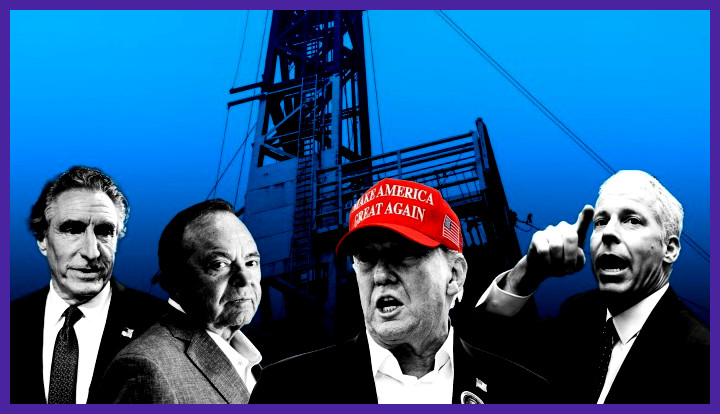
As Donald Trump celebrated his election night victory at Mar-a-Lago, two prominent figures in the U.S. oil industry were with him: North Dakota Governor Doug Burgum and shale oil leader Harold Hamm. Both have been loyal supporters of Trump’s campaign, with Burgum even taking a brief run for the presidency himself.
At a dinner arranged by Hamm earlier this year, Trump had called for $1 billion in donations from top oil executives, promising to dismantle President Joe Biden’s climate policies if he returned to the White House. The backing of these oil leaders has certainly paid off for Trump.
In a series of key appointments, Trump has chosen Burgum for the role of Interior Secretary and as the so-called “energy tsar,” granting him the power to open federal lands for drilling and ease regulations to boost oil and gas production. Additionally, Trump appointed Chris Wright, a shale industry executive promoted by Hamm, as his energy secretary.
Hamm expressed his enthusiasm, stating his extensive connections and experience in the energy sector would help the new administration stimulate American economic growth. Plans for Trump’s administration reportedly include pulling the U.S. out of the Paris climate agreement again and opening up Alaska’s wildlife reserves to drilling. These moves aim to reinforce U.S. position as a leader in the oil market, potentially challenging traditional powers like Russia and Saudi Arabia.
While environmental advocates have criticized Trump’s plans as reckless, many in the fossil fuel industry feel revitalized. For them, having strong supporters in the administration means a departure from the climate agendas pushed by Biden.
Kirk Edwards, CEO of Latigo Petroleum, noted that the current administration would foster an environment more welcoming to domestic energy interests. In contrast to Biden’s former approach focused on climate, Burgum’s role emphasizes fossil fuels.
The administration’s focus on fossil fuel production will likely lead to fewer regulations and a deregulatory agenda pushed by newly appointed officials. Among them is Lee Zeldin, the former congressman chosen to head the Environmental Protection Agency, an agency crucial in overseeing environmental regulations.
Trump’s strategy seems clear; he intends to reverse Biden’s green initiatives and prioritize fossil fuel over environmental concerns. With strong figures from the energy sector surrounding him, it’s likely to shape American energy policies dramatically in the coming years.
Energy advisors have pointed to a shift in influence, suggesting that smaller, independent energy companies may have more sway in Trump’s administration compared to established multinational oil firms. As this administration takes shape, environmental activists brace for intense battles over energy policy—a sign that significant shifts in U.S. energy and environmental strategy are on the horizon.