

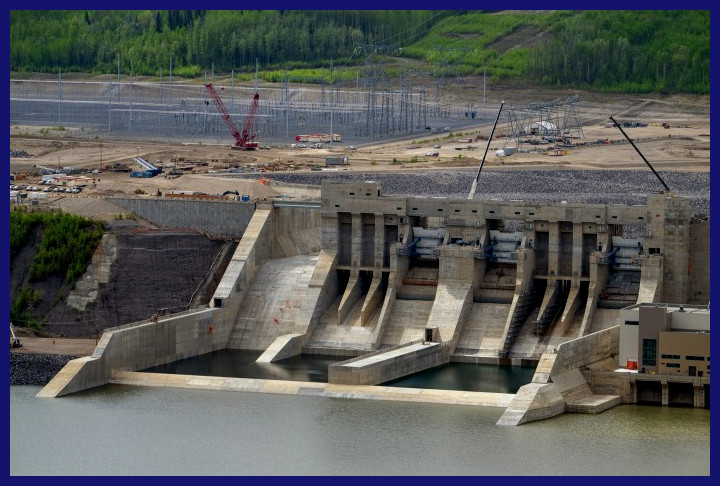
Canada is facing a significant shift in its energy landscape, moving from being a major exporter of hydropower to now importing electricity from the United States. This dramatic change comes as a result of ongoing drought conditions and extreme weather, dramatically affecting electricity generation across the country.
As one of the world’s top producers of hydroelectric power, Canada typically generates about 62% of its electricity from hydropower, primarily in provinces like Québec, British Columbia, and Manitoba. However, prolonged droughts have severely reduced water levels, leading to a drop in hydroelectric production. Consequently, rising power demands linked to advancements in technology and manufacturing are further straining the electrical grid.
The latest reports reveal that large sections of Canada are facing moderate to severe drought. Historically, these regions produced enough surplus electricity to export to the U.S., but now, the tide has turned, resulting in Canada importing electricity instead, as per data from the U.S. Energy Information Administration.
The EIA indicated that drought conditions have led to decreased inflows into reservoirs, while falling natural gas prices in the U.S. have made imported electricity more affordable. This situation is not unique to Canada; droughts worldwide have contributed to a decline in global hydropower production, reaching a five-year low last year.
In particular, the hydropower sector is grappling with substantial challenges worldwide. Severe droughts in several regions, including China and the U.S., have caused significant decreases in hydroelectric output. This situation could have serious environmental consequences since shifting to fossil fuels to mitigate hydroelectric shortfalls is increasing global greenhouse gas emissions.
Statistics Canada recently reported a drop of 3.9% in electricity production, the lowest level since 2016. Revenue from electricity exports to the U.S. fell nearly 30%, emphasizing the struggle faced by Canada’s energy sector. Political implications could arise as Canada prepares for upcoming negotiations with the U.S. and Mexico regarding a renewal of the free trade agreement, particularly since energy discussions will play a critical role.
Experts, like Heather Exner-Pirot from the Macdonald-Laurier Institute, believe the timing of this downturn in hydropower generation could complicate trade relations, especially amid changing political climates in the U.S.
Despite these challenges, some analysts suggest that future improvements in renewable energy utilization could help maintain stable electricity export levels. Coordinating between provinces to maximize renewable energy sources during periods of low hydropower output may provide a solution as Canada navigates through these uncertain times.
Overall, while climate conditions have always influenced hydropower, the unpredictability is expected to grow due to climate change. Local authorities are hopeful that with proper forecasting and infrastructure development, Canada can rebound from these challenges and strengthen its energy sector in years to come.