

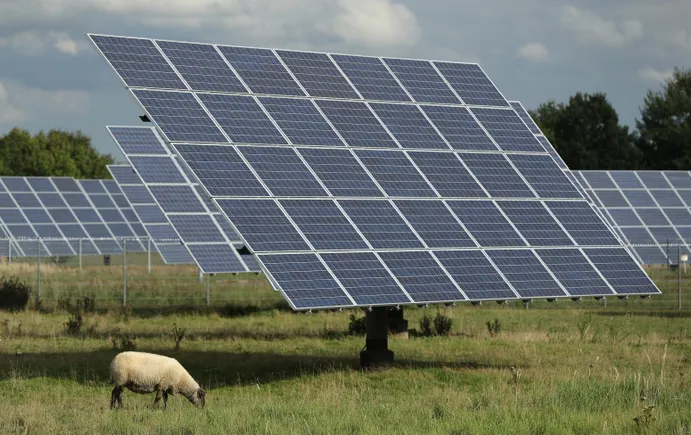
Virginia Sets the Stage for Agrivoltaics
On June 17, Virginia took a significant step towards sustainable energy and agriculture by passing a new bill that clearly defines agrivoltaics. This practice combines farming with solar energy production on the same land. Advocates believe that this approach will not only boost solar energy generation but also breathe new life into underutilized farmland.
The recently signed legislation lays out specific guidelines for agrivoltaic projects. This includes a mandate to maintain agricultural productivity while generating renewable energy. Interestingly, some aspects regarding the formation of a stakeholder group were removed from the final version of the bill. This group was intended to set project criteria and identify incentives to promote agrivoltaics, but the administration of Governor Abigail Spanberger plans to establish this group on its own.
Lauren Glickman, an expert on agrivoltaics, emphasized that Virginia is still in the early phases of implementing this initiative. She highlighted the state’s inaugural crop-based agrivoltaic project, which began in October, as a promising start to developing guidelines for future projects across Virginia.
The pilot project, located at the Community Farm at Roundabout Meadows in Loudoun County, isn’t large-scale, but it successfully meets 130% of the farm’s energy needs. Currently, Virginia hosts a total of 13 agrivoltaic projects. Most of these involve land dedicated to grazing or establishing habitats, with Skipjack Solar Center being the largest sheep-grazing project.
The new law emphasizes several principles for agrivoltaic endeavors, from maintaining agricultural operations to having provisions for decommissioning that protect the land. It also ensures that these projects support flexibility for farmers, enabling them to adapt to changing market needs.
Concerns have emerged over solar projects encroaching on prime agricultural land. A law enacted in 2022 aimed to address these concerns and promote solar development on less critical land types. Advocacy groups have suggested that future solar developments should focus on areas like brownfields instead.
Glickman expressed optimism that agrivoltaic initiatives could revitalize abandoned farmland while contributing to a more sustainable agricultural landscape in Virginia. Over the past several years, the state has lost a significant amount of farmland, highlighting the urgent need for innovative approaches to land use.
According to the latest USDA data, Virginia has lost nearly half a million acres of farmland since 2017, underscoring the importance of revitalizing farming practices. Glickman hopes these agrivoltaic projects will create new markets and opportunities for both crop farmers and livestock grazers.
The law initially proposed forming a stakeholder panel that would include experts from various agricultural and environmental organizations. Glickman anticipates that this panel will be convened soon, bringing together diverse voices from the agricultural and solar communities to foster collaboration.
She emphasized the need for a unified agricultural perspective to ensure that these new definitions and practices benefit everyone involved, noting the potential for powerful partnerships between farmers and solar developers.