

Key Points:
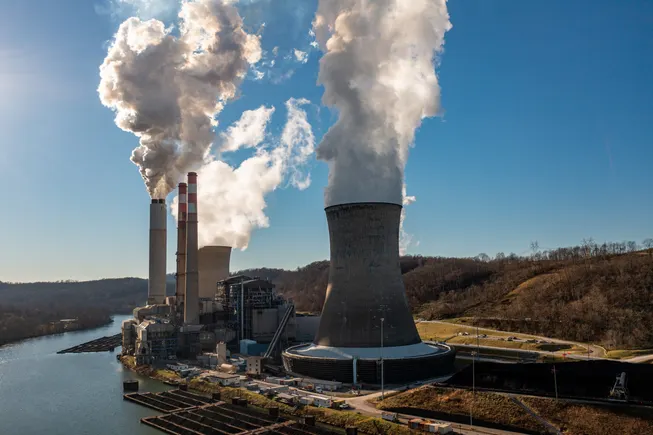
- The availability of traditional energy sources decreased in 2025, primarily due to lower performance from coal and gas plants, as reported by the North American Electric Reliability Corporation (NERC).
- This decline contributes to a reduction in available reserves, leading to tighter operating conditions and potential system challenges.
- Forced outage rates rose to 9.2% in 2025, higher than the historical norm of 8%, with coal and combined-cycle plants being the main contributors to this rise.
Insights:
Many large coal plants are over 40 years old and are nearing retirement. These facilities were not built for frequent operation, a necessity in some regions today, which increases their failure risk over time.
Demand from large data centers poses additional challenges for energy operators. In February 2025, a transmission issue led to significant reductions in power usage from data centers in the Eastern grid.
The rise of data-heavy facilities means reliability issues will likely grow as they become more common on the energy grid. It’s crucial for grid planners to assess how these large loads perform during disturbances.
As traditional power sources are replaced mainly by natural gas and renewable resources, changes in the energy mix continue. Increased usage of wind, solar, and battery storage has also added operational complexities, particularly in areas with unstable power flows.
The integration of battery energy systems has surged, closely following solar growth in 2025. Continuous monitoring of these systems is necessary as their role grows.
A unique incident in January 2025 involved a 300-MW battery energy storage system that suffered a severe malfunction during testing, demonstrating risks specific to this technology as it expands.
Despite occasional failure events, NERC does not view them as a major threat to overall system reliability. Battery systems can help balance power loads, allowing traditional generators some necessary operational leeway.
Older generators, which weren’t designed for frequent on-and-off cycling, can benefit from longer ramp-up periods, enhancing their reliability. However, battery systems are not suited for extended outages, such as major winter storms, as they have limited energy capacity and are meant to maintain system stability until other resources are available.