

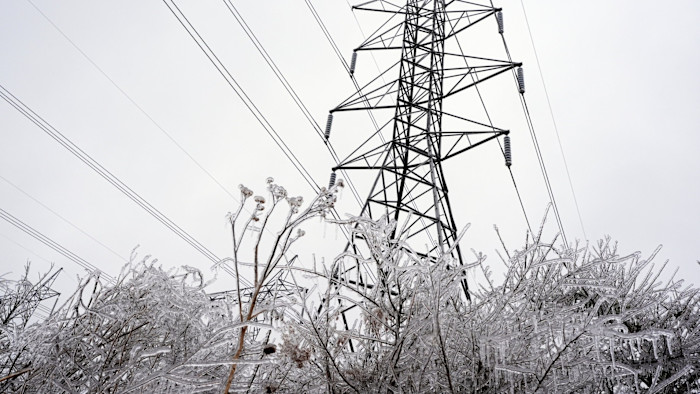
US natural gas prices have reached their highest point in three years, primarily due to a severe winter storm affecting the southern and eastern United States. This storm has significantly reduced natural gas production while simultaneously increasing demand for heating and power.
On Monday, Henry Hub futures prices for February delivery peaked at $7.43 per million British thermal units, marking a staggering 140% increase since January 16. In some northeastern areas, spot prices soared to between $50 and $100 per million British thermal units over the weekend, even hitting roughly $150 on Monday.
The surge in prices is likely to drive up gas and electricity bills for consumers. This development also raises questions about the Trump administration’s promises to cut energy costs in half within a year of taking office.
Winter Storm Fern has propelled power demand to record levels. PJM, the largest power grid operator in the US serving over 67 million people in the Northeast and Midwest, has forecasted a record winter demand for Tuesday. Meanwhile, the Electric Reliability Council of Texas (Ercot) reported generating 48 gigawatts from natural gas on Monday, another record.
Eugene Kim, a research director at Wood Mackenzie, noted, “Prices are limited by storage levels, and much has been depleted due to this weather.”
The freezing conditions have also caused pipelines to freeze, leading to a drop in natural gas production. Data from S&P indicated a 9% decline on Sunday, particularly affecting Texas and central states. Additionally, LNG feed gas, which is usually liquefied for export, fell by 30% as domestic prices exceeded international rates.
“A lot of operators have chosen to redirect that gas for domestic use,” stated Matthew Palmer from S&P Global Energy.
To manage the increased demand, electricity providers nationwide are implementing emergency measures. PJM has instructed power plants to stock up on additional natural gas throughout the week and received clearance to operate plants at full capacity, despite potential air-quality issues.
With natural gas production limited, New England has turned to oil to meet its energy needs. Ken Girardin from the Manhattan Institute remarked, “Supply and cost challenges for natural gas in New England mean that plants capable of burning oil are opting to do so.”
Analysts at Jefferies warned that the rise in natural gas prices may lead to greater scrutiny over energy affordability. Despite Trump’s campaign promise to significantly lower energy prices—a pledge that resonated with voters facing inflation during Biden’s term—prices have continued to rise faster than inflation since his election.
According to recent data from the Bureau of Labor Statistics, electricity and gas prices increased by 6.7% and 10.8%, respectively, in December compared to the previous year.
The sharp drop in temperatures and the extent of the winter storm caught many natural gas investors off guard, as they tried to adjust their positions. Michael Alfaro, chief investment officer at Gallo Partners, noted, “Several colleagues were surprised by the extreme cold stretching across the country—some had expected declining natural gas prices. Another cold system is on the way, which could lead to even higher prices.”