

Energy Source Newsletter: Key Updates from London
Hello and welcome to another edition of our Energy Source newsletter, bringing you insights directly from London.
The energy sector is currently processing recent developments from the UK Budget. Chancellor Rachel Reeves aimed to address a pressing concern that’s being felt globally: the rising energy bills.
By shifting some costs onto taxation and discontinuing a vital energy efficiency program, she managed to lessen typical electricity bills by around £150. This approach, which includes temporary subsidies for older wind and solar farms funded through taxes, has been positively received. Advocates believe it promotes a shift from gas-fired boilers to heat pumps, helping to make homes more energy efficient.
However, not everyone is on board with the government’s decision to terminate the Energy Company Obligation, a scheme intended to improve energy efficiency. Officials assert that the program had shortcomings, claiming they’re redirecting £1.5 billion into another initiative called the Warm Homes Plan. Yet, Dhara Vyas from Energy UK expressed concerns that the Budget cuts essential funding for home upgrades that could reduce bills, posing risks to businesses involved in the supply chain.
Additionally, the government has revealed its strategy for the North Sea oil and gas sector, reaffirming a ban on exploration licenses for new oil and gas fields. This marks a significant milestone, as it reflects a G7 economy moving away from its fossil fuel assets.
Concerns grow in the industry about how the ongoing windfall tax, originally imposed due to the economic impacts of Russia’s invasion of Ukraine, is quickening the decline of oil and gas ventures.
In a separate development, the commodities trading field was shaken on Monday with news of Torbjörn Törnqvist’s departure from Gunvor, the company he co-founded. Gunvor stated that misunderstandings about its past had turned into a significant distraction, following U.S. accusations labeling them as a “Kremlin puppet.”
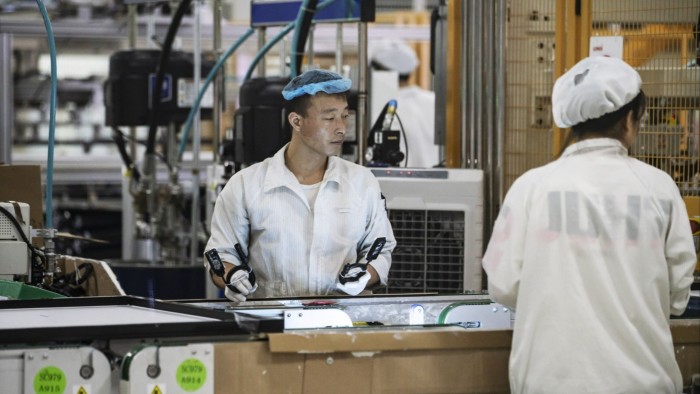
Today’s edition also explores the latest efforts by a prominent Chinese solar company stepping into the burgeoning battery storage market.
Why Chinese Solar Manufacturers are Expanding into Batteries
In recent years, major Chinese solar panel manufacturers like Longi, Trinasolar, and JinkoSolar have made incredible gains in the solar power industry, significantly driving down costs. Global solar capacity has surged from about 1.6 terawatts at the end of 2023 to an expected 2.25 terawatts by the end of 2024.
However, these companies have faced challenges and accumulated significant losses, with the International Energy Agency estimating combined losses of nearly $5 billion since early 2024. This has prompted some manufacturers to diversify, with several entering the battery storage market.
As Trinasolar and JinkoSolar have already ventured into batteries, Longi has now joined the movement by acquiring a majority stake in PotisEdge, a Canadian battery developer. This strategic move aligns with a broader trend toward integrating solar and battery systems in international markets.
At a recent launch event in London, Longi’s senior sales executive, Dennis She, emphasized the importance of storage in fostering a sustainable energy system centered around solar power. He noted that while solar integration into the grid is rising, adequate storage solutions are necessary to maintain stability.
Rapid solar advancements have led to fluctuating power availability, particularly during midday surges, creating a need for battery solutions. She predicts that growth in the battery sector could outpace solar growth, estimating increases of 30% to 40% annually.
By offering combined solar and battery packages, costs could be reduced due to streamlined installation and service processes. Recent improvements in battery performance now allow for extended discharge times, accommodating user demands more effectively.
In its latest financial report, Longi recorded losses of nearly $600 million this past nine months—an improvement compared to the same timeframe the previous year. Additionally, they successfully sold 63 gigawatts worth of cells and modules during this period.
As Longi advances into the battery sector, they anticipate utility-scale solar farms will be key customers, while the industry faces challenges from tariffs imposed by the U.S. and potential policy changes in Europe concerning investment.
Longi’s commitment to establishing connections in Europe is evident as they plan to foster collaboration with local entities, yet ensure that the right policies are in place to encourage more solar manufacturing on the continent.
Thank you for tuning in! Stay tuned for more updates in our next edition.