

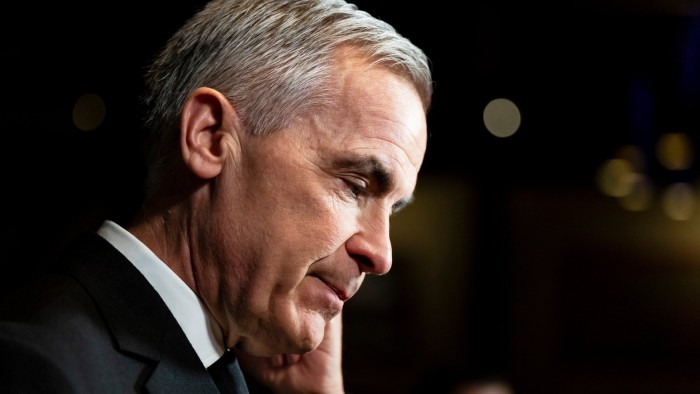
Canadian Prime Minister Mark Carney is facing criticism for his approach to fossil fuels in light of tensions with the US. Once a vocal advocate for climate change action as the former UN climate envoy, his recent policies seem to contradict that legacy.
Since taking office earlier this year, Carney has rolled back Canada’s consumer carbon tax, gained favor with the oil and gas industry, and put a stop to initiatives aimed at increasing electric vehicle use. These moves aimed to address trade disputes initiated under US President Donald Trump.
Recently, Carney agreed to ramp up crude oil production significantly and has pledged to double Canada’s liquefied natural gas output for new markets in Asia. These decisions have prompted resignations from key team members, including former environment minister Steven Guilbeault, who expressed his discontent, saying, “I could not compromise anymore and fear we are heading in the wrong direction.”
Experts in climate and finance have voiced concerns that Carney’s actions signify a troubling prioritization of immediate energy needs over long-term climate solutions. Paul Polman, former CEO of Unilever, remarked that while it’s understandable to make compromises, the emphasis on fossil fuels risks undermining urgent efforts needed to reduce emissions.
Carney’s focus on boosting fossil fuel production starkly contrasts his earlier warnings as Bank of England governor about the risks posed by climate change. In 2015, he emphasized the essential need for a shift toward renewable energy to avert disastrous effects.
Many in the financial sector believe that Carney’s previous efforts to integrate climate considerations into financial strategies were significant in bringing climate change discussions to the forefront. However, the impact of those initiatives has been limited, suggesting a lack of follow-through.
By 2021, as head of environmental initiatives at Brookfield Asset Management, Carney spearheaded an ambitious financial alliance aimed at funneling investments into clean energy. Still, the challenges posed by Trump’s administration, including the rollback of climate measures, complicated these efforts.
Despite his shift toward fossil fuels, there are ongoing initiatives aimed at addressing emissions. Carney’s agreements include plans for carbon pricing; however, they also push back critical deadlines for reducing methane emissions, a potent greenhouse gas, and suspend regulations for clean electricity.
His government is under scrutiny for falling behind on its 2030 emissions goals. A spokesperson insisted that reducing emissions and building a sustainable economy remain at the forefront of Carney’s agenda.
Under pressure to align with both environmental goals and economic needs, Carney is reportedly open to reviving the Keystone XL pipeline project, which had been halted by the Biden administration. There’s also a proposal for a massive carbon capture project to mitigate emissions from increased oil production.
In the face of these challenges, there’s a growing sense of confusion and disappointment in environmental circles regarding Carney’s direction. Critics argue that his recent policies could mark a significant setback for Canada’s commitment to climate action.
In summary, while Carney’s journey as a climate advocate has seen formidable moments, his recent pivot towards fossil fuels raises questions about his commitment to combating climate change and the broader impacts on Canada’s environmental agenda.