

Nuclear Ambitions Spark Debate in Wyoming
This week, while discussing energy trends in the U.S., Donald Trump was back on the campaign trail, reassuring voters that prices, especially for electricity, are decreasing. Despite his optimism, rising costs remain a significant concern for many, particularly as electricity rates have heavily influenced recent elections.
Next week, PJM, a major power grid operator, is set to release findings from its latest capacity auction. Despite regulations in place from Pennsylvania Governor Josh Shapiro, many expect the auction results to highlight supply challenges driven by the growing demand for data centers, which could lead to increased costs for consumers.
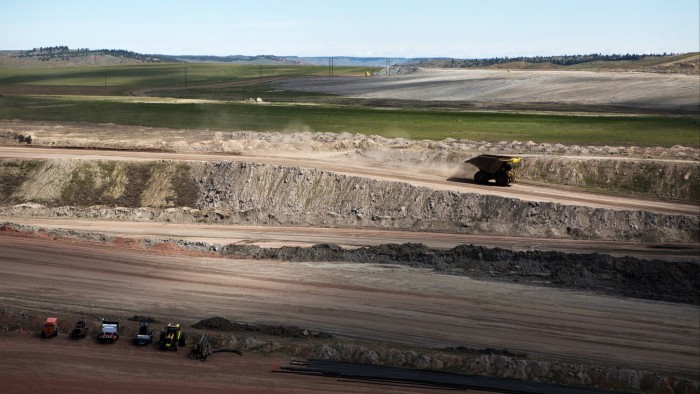
In other energy news, I recently visited Gillette, Wyoming, to explore how the state’s coal industry is adapting under Trump’s leadership. While I was there, I also learned about an ambitious nuclear project by BWXT, a key contractor for the U.S. Navy. The company plans to invest $500 million in a facility that will create advanced nuclear fuel known as Tri-structural Isotropic particle fuel (TRISO).
TRISO is designed to contain radioactive materials more effectively than traditional nuclear fuels, making it a potentially safer option for the next generation of reactors. As small modular reactors gain popularity, these advanced fuels could become essential for powering the data center boom.
Despite Trump’s push for nuclear energy, the U.S. still relies heavily on imported uranium for its reactors. However, Wyoming, known as the “energy capital of the nation,” is seizing the opportunity to boost its nuclear capacity, especially since it is one of the leading uranium producers in the country.
Yet, with the resurgence of coal fueled by AI demands and regulatory rollbacks, many worry about the long-term sustainability of coal jobs and revenue in these local economies. Politicians and business leaders believe tapping into nuclear might provide a solution.
Despite these opportunities, not everyone in Wyoming embraces the nuclear initiative. Surveys indicate that while support for nuclear power has increased, many are hesitant about living close to these facilities, highlighting a phenomenon known as “NIMBYism” (Not In My Backyard).
Locals express concern over the perceived secrecy surrounding BWXT’s plans, particularly regarding what the facility will handle. Some have raised alarms about potential nuclear waste storage, which BWXT firmly denies.
BWXT remains committed to moving forward with their project, targeting a 2030 operational date, and is actively engaging with Gillette’s residents to demonstrate the potential economic benefits, including the promise of creating 200 local jobs.
However, many in the community remain cautious and reflect on the past cycles of economic booms and busts associated with industries like coal. Some residents hope to diversify their economy but seem hesitant about new initiatives.
In summary, as Wyoming navigates its energy future, the balance between embracing new technologies and addressing community concerns will be critical moving forward.
Stay tuned for more on this evolving story.