

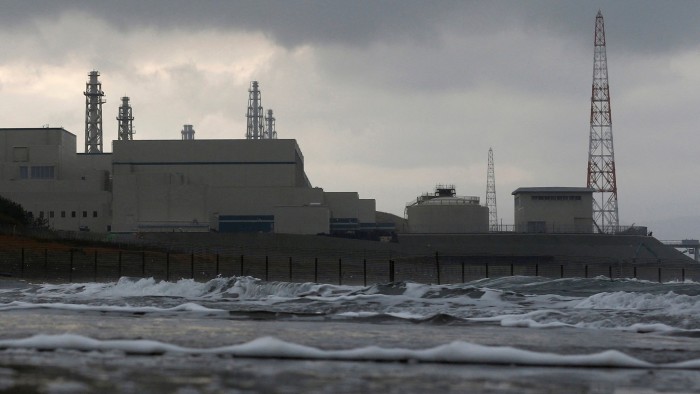
Japan is set to restart the world’s largest nuclear power plant, the Kashiwazaki-Kariwa, over a decade after it was closed due to the Fukushima disaster. This decision comes as the country seeks to cut rising energy costs.
The governor of Niigata prefecture approved the restart of one reactor unit, which is the last major requirement needed to bring the plant back online. Following the catastrophic events of 2011, when a tsunami caused a meltdown at Fukushima, Japan significantly reduced its reliance on nuclear energy.
The Kashiwazaki-Kariwa plant, run by the Tokyo Electric Power Company, has a capacity of nearly 8,000 megawatts, making it a crucial asset for Japan’s energy strategy. Yukari Yamashita, from the Institute of Energy Economics, called this restart a significant step forward.
With the high energy costs that have emerged partly due to Russia’s invasion of Ukraine and a weak yen, many Japanese people are concerned about rising electricity prices. The government’s spokesperson emphasized the importance of this restart, saying it is vital for lowering costs and providing cleaner energy.
Before the Fukushima incident, nuclear energy accounted for about 30% of Japan’s energy supply. Currently, that figure has dropped to almost zero, but the country has slowly been reopening nuclear plants, with 14 already back in operation since the disaster. There are plans for more, with four awaiting local approvals and eight needing regulatory reviews.
Japan is aiming to boost its nuclear energy share to 20% by 2040, up from about 8.5% now. This goal aligns with a broader ambition to reduce fossil fuel reliance in electricity production.
In a notable move, Kansai Electric Power recently announced plans to build a new reactor, marking the first such initiative since Fukushima. Despite lingering public skepticism, Niigata’s governor acknowledged the need for continuous public education about nuclear safety and the importance of transparent communication.
Tokyo Electric has also introduced new security measures to restore public trust, following previous failures regarding site security checks.