

U.S.-Japan Relations and Global Mineral Imports
Donald Trump recently visited Tokyo, emphasizing the strong ties between the United States and Japan. His meetings with Japanese officials were particularly important, especially with his upcoming discussion with Chinese President Xi Jinping about export controls on rare earth minerals. These controls are a growing concern for Western companies, as they could disrupt supply chains and inflate prices for crucial products like chips, automobiles, and defense equipment.
The U.S. aims to secure access to critical minerals, and over the weekend, Trump established trade agreements with Malaysia and Cambodia to support this initiative. Europe is also focused on diversifying its supply of these materials, aiming to lessen its dependence on China for essential resources needed in defense and clean technology sectors. By the end of this year, the European Commission plans to start consultations on stockpiling minerals.
In this edition, we highlight Honeywell’s innovative technology designed to reduce carbon emissions in heavy industries, particularly maritime shipping. Additionally, we explore a unique event that took place in a Swedish zinc mine where participants took part in “the world’s deepest marathon.”
Honeywell Launches Decarbonization Technology for Shipping
Honeywell has introduced a new technology aimed at converting forest and agricultural waste into a cleaner fuel alternative to the heavy fuel oil currently used by large vessels. This “biocrude upgrading technology” can create renewable fuels, including sustainable aviation fuel, gasoline, diesel, and marine fuel.
This advancement could significantly impact the maritime sector. Honeywell’s technology produces a fuel with the necessary energy density for long-distance voyages. The company’s leadership noted that their fuel is compatible with existing ship engines and can utilize various types of biomass.
As the shipping industry faces increasing pressure to cut emissions, this technology comes at a crucial time. Currently, shipping contributes about 3% of global greenhouse gas emissions, heavily relying on heavy fuel oil. Regulatory bodies, like the International Maritime Organization, are striving for near-zero emissions by 2050, while companies like Maersk aim for net-zero emissions by 2040.
However, cost remains a challenge. Currently, pure biofuel costs between $1,100 and $1,300 per ton, significantly higher than heavy fuel oil. Experts warn that increased demand for biofuels could also lead to price hikes. Despite these challenges, Honeywell believes that biomass will not replace existing energy sources but will supplement them.
Unique Event at a Zinc Mine
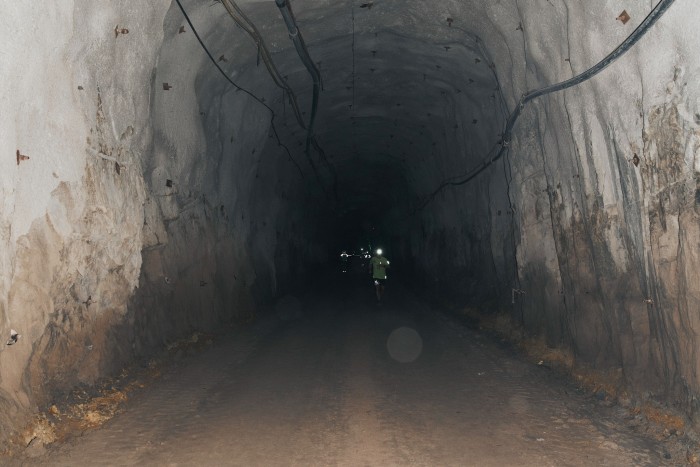
A remarkable sporting event took place recently, with runners from around the globe descending into Sweden’s Garpenberg zinc mine—about 1,120 meters below sea level—for what is likely to be recognized as the world’s deepest marathon. Participants, including notable figures from the mining industry, completed a 4km course in challenging conditions, aiming to raise over $1 million for charity.
The run required participants to wear helmets and head torches due to the darkness of the surroundings. Many described the experience as physically and mentally taxing, but also rewarding, having raised significant funds for educational and animal welfare charities.
Quick Points
- NextEra Energy is set to reopen a nuclear power station in Iowa, primarily to supply clean energy to Google’s data centers.
- TotalEnergies plans to restart a $20 billion liquefied natural gas plant in Mozambique after a pause due to security issues.
- Nigerian entrepreneur Aliko Dangote aims to expand his Lagos refinery, potentially becoming the world’s largest.
Thank you for reading!