

Dive Brief:
- According to a recent report from Deloitte, new nuclear power could fulfill about 10% of the expected increase in electricity demand from data centers by 2035.
- Deloitte predicts that data centers will consume roughly 30%, or between 11 GW to 19 GW, of the forecasted new nuclear capacity expected to grow to between 35 GW and 65 GW over the next decade. This capacity will come from upgrades at current power plants, along with the restart of some recently retired reactors and new installations at existing sites.
- The majority of new nuclear capacity is expected to connect through existing nuclear plants and sites where coal plants are retiring. Estimates suggest contributions will range from 10 GW to 20 GW from nuclear sites and 20 GW to 30 GW from former coal sites.
Dive Insight:
Deloitte forecasts that the electricity demand from U.S. data centers will grow significantly, from 33 GW in 2024 to as much as 176 GW by 2035. This analysis is based on multiple recent reports including insights from DC Byte and Wells Fargo.
The anticipated increase in electricity demand in the U.S. is also driven by the growth of data centers, which, alongside electric vehicles, is expected to contribute to a 50% rise in overall electricity use by 2050, as noted by the National Electrical Manufacturers Association.
While Deloitte’s forecast is subject to variations in how quickly data centers expand, nuclear energy offers several advantages. Its reliability, high capacity factor, low emissions, and cost-effectiveness over long periods make it an appealing option.
Martin Stansbury, a co-author of the report, mentioned, “We expect to see an exploration of existing nuclear facilities and an increase in capacity through these assets while also investing in technology development.”
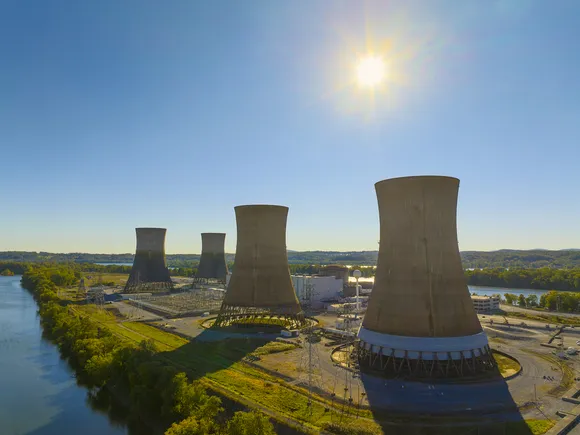
Major tech companies leading the data center expansion, often referred to as “hyperscalers,” are already making strategic moves. For example, Microsoft and Constellation Energy recently entered a 20-year power purchase agreement to restart the Three Mile Island reactor by 2028, which is ahead of schedule.
Moreover, Amazon, Google, and Meta are all making significant efforts to secure new nuclear capacity for future energy demands. Amazon aims to introduce more than 5 GW of capacity by 2039 using advanced small modular reactor technology, while Google and Meta are pursuing similar initiatives to meet their energy needs.
Despite challenges posed by previous efforts to bolster the coal industry, new nuclear developments are expected to emerge as a reliable and affordable power source. Stansbury highlighted the role of small modular reactors (SMRs) in enhancing future grid reliability and their specific benefits for data centers, such as secure fuel options and the capability to operate independently during outages.
As the demand for energy in U.S. data centers continues to grow, existing nuclear and coal-fired plants could play a crucial role in supporting new capacity. The U.S. Department of Energy has indicated that these sites could potentially host substantial new nuclear developments.
Though construction costs for new nuclear projects are currently high compared to gas-fired plants, the industry is looking at advanced project management techniques and innovative construction methods to reduce costs in the future.