

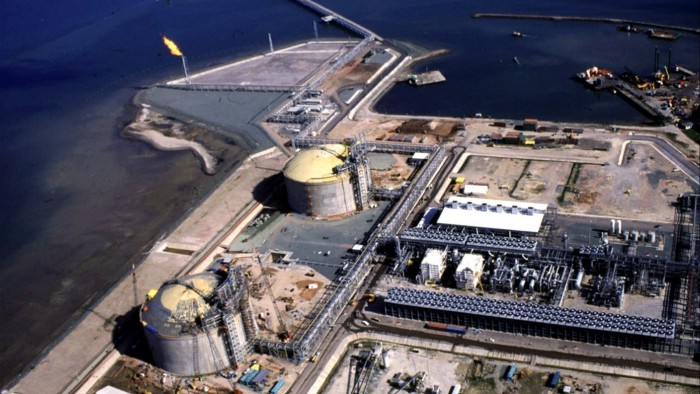
The Trump administration has recently canceled licenses for gas projects operated by BP and Shell in Venezuelan waters. These projects were intended to supply a vital liquefied natural gas facility that significantly contributes to Trinidad and Tobago’s economy.
This decision is part of a broader effort by the U.S. to increase economic and diplomatic pressure on Nicolás Maduro, the president of Venezuela. Maduro’s recent inauguration for a third term has been widely criticized due to allegations of electoral fraud.
The licenses pertain to Shell’s Dragon and BP’s Cocuina-Manakin projects, which are collaborations with Trinidad and Tobago’s National Gas Company. These projects aimed to utilize existing gas infrastructure to transport gas to the Atlantic LNG plant in Trinidad, which both BP and Shell have stakes in.
With these projects, Venezuela was tapping into its vast gas reserves to help generate revenue. The revocation of the licenses is a setback for BP and Shell, who were looking to develop Venezuela’s gas-rich waters. They had obtained special licenses from the Biden administration that allowed them to operate despite existing sanctions against Maduro’s regime.
This recent action by Washington is also a setback for Trinidad and Tobago, which has been struggling to meet the gas supply demands of the Atlantic LNG project, with a fifth of its capacity inactive since 2020 due to domestic gas shortages.
Stuart Young, the Prime Minister of Trinidad and Tobago, announced that his government was informed of the license revocation and expressed intentions to appeal the decision. He stated it was not completely unexpected, given the volatile political climate and the U.S. administration’s policies.
The U.S. has taken similar steps against other companies in its campaign to isolate Venezuela. Recently, the U.S. Treasury revoked operating exemptions for companies like Chevron and Repsol, requiring them to cease operations in Venezuela by May 27.
Currently, U.S. sanctions prohibit dealings with Venezuela’s state-owned oil company. However, the Biden administration had previously issued exemptions attempting to persuade Maduro to embrace democratic reforms.
In response to the increasing sanctions, Maduro has declared an “economic emergency,” implementing measures such as halting municipal tax collection and mandating the purchase of domestic products over imports.
Natural gas is crucial to Trinidad’s economy, with LNG exports valued at $3.6 billion in 2023. The Dragon field, which is seen as essential for Trinidad and Tobago’s energy security, is believed to contain around 4 trillion cubic feet of gas reserves, with Shell aiming to commence production by around 2026 or 2027.
Experts like Francisco Monaldi, an energy specialist from Rice University, were surprised by the revocation. They had anticipated that exceptions would be made for project operations that wouldn’t directly enrich Maduro in the near future.