

A growing concern in our interconnected world involves the safety of undersea cables that carry electricity and data. With thousands of kilometers of these cables lying along the ocean floor, damage can disrupt both power supplies and communication. Unlike the more familiar fiber optic cables, these electricity interconnectors are bulkier and more challenging to repair, making them vulnerable to both accidents and acts of sabotage.
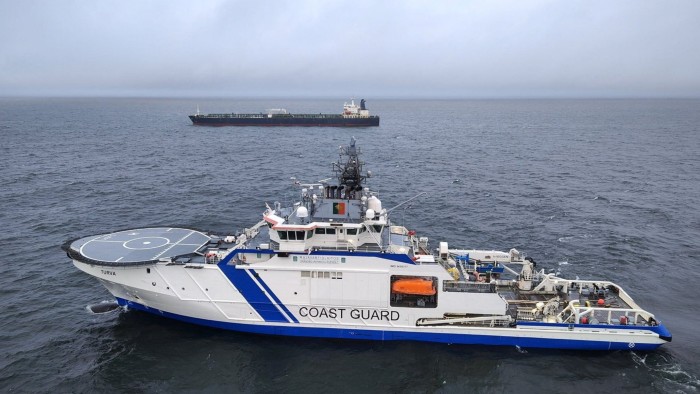
Recent events have highlighted this issue. On Christmas Day, the Estlink 2 cable, which connects Finland and Estonia, was severed, coinciding with the loss of several communication links. Finnish authorities arrested a tanker named Eagle S, which passed over the cable just before the incident. There’s suspicion that the vessel, possibly part of a network circumventing oil sanctions, may have anchored in a way that intentionally damaged the cable. However, proving deliberate sabotage is notoriously difficult, leading to ongoing investigations.
The repercussions of such incidents extend beyond immediate power outages. Finnish authorities, for example, faced challenges distinguishing between intentional harm and careless accidents when it comes to insurance claims. Typically, insurance does not cover damages deemed to result from “warlike acts,” complicating recovery efforts for companies like Fingrid and Elering, which operate the Estlink 2.
In recent years, the development of new interconnectors has surged, driven by the need to link renewable energy sources like offshore wind farms to the mainland. This growth comes with its own set of challenges; the cables are larger and not typically serviced by dedicated repair vessels, leaving operators at the mercy of longer repair times. As noted by industry experts, outages could take months to resolve, particularly in less accessible areas.
The disruption caused by a severed undersea cable can spill over into everyday life, affecting everything from business transactions to access to necessities like food and fuel. Each day a cable is offline can incur substantial financial losses, with repair costs rising dramatically.
In short, while the security of fiber optic cables receives considerable attention, the vulnerability of electrical interconnectors in our modern infrastructure is becoming an increasingly pressing concern.