

The recent tensions in the transatlantic security alliance have led Europe to face some challenging decisions regarding its energy sources. As discussions about a potential ceasefire between Russia and Ukraine progress, the continent must consider whether to resume gas purchases from Moscow through a Baltic pipeline, with the approval of the US, or to take steps to eliminate its reliance on Russian fossil fuels.
For Europe, the economic implications of natural gas consumption are just as complex as the strategic concerns. The spike in natural gas prices in 2022, following Russia’s invasion of Ukraine, played a significant role in driving Europe’s inflation rates. Rising energy prices negatively impact European nations, making them poorer since they rely heavily on gas imports. Increased costs threaten to destabilize inflation expectations, potentially leading to demands for higher wages, which could prolong inflationary pressures.
Since 2021, the surge in gas prices has rendered some industries, specifically the production of bulk chemicals and fertilizers, uncompetitive, highlighting the urgent need for economic adjustments. Following this trend, three years of stagnation in Germany’s economy has been noted as a significant issue. There’s no question that the state of gas prices is critical. So, let’s take a closer look at the current situation in this market.
On the positive side, gas prices in continental Europe are currently much more stable compared to the highs and volatility experienced in 2022. As of Monday, the wholesale price was approximately €46 per megawatt hour—more than double the pre-2022 prices but a marked decrease from the crisis levels seen immediately after the invasion.
However, the downside is that European wholesale gas prices have nearly doubled in the past year, causing heating and electricity costs to rise for both households and businesses. As a result, energy prices are once again becoming a significant driver of inflation.
Looking at recent trends, European gas prices have fallen about 20% from their peak in early February. Yet, they have increased over 10% since a low point last week, indicating ongoing volatility.
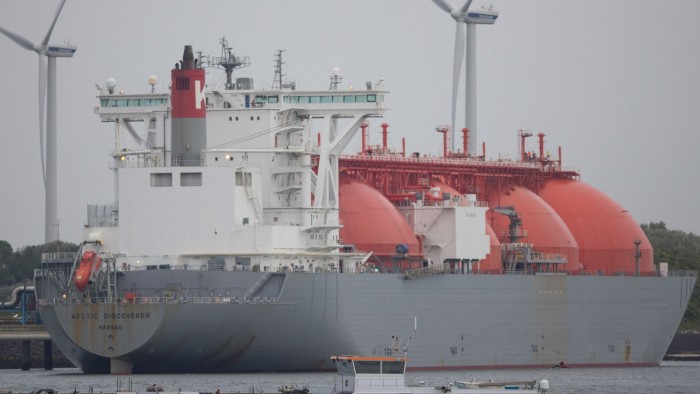
Price comparisons indicate that while wholesale gas prices in Europe have soared, those in the US remain substantially lower. This discrepancy suggests that Europe should consider negotiations with the US for increases in liquefied natural gas (LNG) imports.
Increased capacity for LNG imports could help Europe reduce the gap between its gas prices and those in the US, improving overall energy security. However, enhancing LNG import capabilities will take time and is not a silver bullet for the immediate crisis.
Another factor to consider is the current outlook for natural gas futures, which show rising expected costs for this summer compared to the upcoming winter. This situation creates a challenge, as traders might be discouraged from filling storage levels during the summer months when heating is less necessary.
Currently, gas storage levels in Europe are lower than last year’s figures but are still around average for this time of year from 2011 to 2025. It’s essential to note that gas storage doesn’t fulfill all consumption needs and the market will likely have to adjust to satisfy energy demands, which could entail fluctuating prices.
Now, turning to inflation and interest rates in Europe, the near doubling of gas prices over the past year is having an adverse effect, causing inflation rates to increase beyond the desired 2% target in both the Eurozone and the UK.
The European Central Bank (ECB) is set to release important new forecasts later this week. The previous forecast was based on gas prices in the mid-€40s per MWh, which aligns closely with current futures prices. However, the ECB’s upcoming assessments might reveal a more challenging outlook for inflation.
Moreover, the Bank of England recently indicated that higher energy prices would elevate UK inflation as well. It’s clear that the energy market, especially gas pricing, plays a crucial role in shaping the economic landscape across Europe, making predictions around inflation particularly challenging.
In conclusion, as Europe navigates its energy security in light of ongoing geopolitical tensions, it faces pressing economic choices that will impact consumers and industries alike.