

Key Highlights
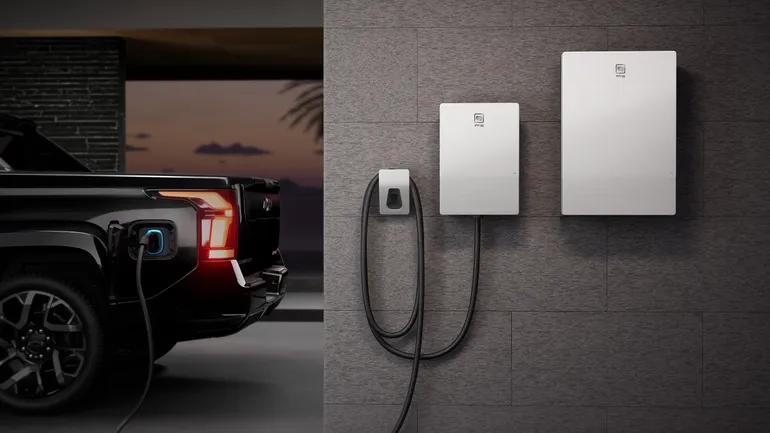
The Massachusetts Clean Energy Center (MassCEC) plans to roll out 100 bidirectional electric vehicle (EV) chargers at no cost to users, including residential, commercial, municipal, and school customers. This initiative is part of a two-year “vehicle-to-everything” (V2X) demonstration project, as announced by Resource Innovations and The Mobility House on February 24.
By September 2026, this project is expected to contribute an estimated 1.5 MW of distributed energy storage capacity across Massachusetts, with all installations anticipated to be completed by that time.
- Rachel Ackerman, MassCEC’s Senior Director of Clean Transportation, highlighted the importance of this demonstration, stating that it will help identify challenges and promote the widespread use of electric vehicles and V2X technology.
Insights on the Project
This project is the first statewide effort in Massachusetts aimed at enhancing grid resilience, lowering energy costs, and promoting renewable energy integration, as noted by Resource Innovations and The Mobility House.
MassCEC aims to install 50 to 60 chargers in single-family homes, primarily targeting low-income and disadvantaged neighborhoods. Additionally, they plan to set up 30 to 40 chargers in commercial areas and 10 to 20 at school bus storage facilities. Participants are required to own or intend to purchase a bidirectional-capable EV.
The initiative allows participants to utilize their vehicles for backup power, self-consumption, and to engage in revenue-generating grid events.
Resource Innovations will be responsible for program design, management, and reporting, while The Mobility House will provide vehicle-grid integration software. Local engineering and construction will be handled by partners Voltrek and B2Q, with stakeholder coordination led by Converge Strategies and the Vehicle-Grid Integration Council.
This demonstration is open to customers in areas served by Eversource, National Grid, Unitil, and municipally owned electric companies. At the end of the demonstration period in December 2026, the partners will release a public guidebook outlining lessons learned and future steps.
In November, Massachusetts Governor Maura Healey signed a law enhancing efforts to develop EV charging infrastructure and promote electric vehicle adoption in the state, with a goal of having 900,000 EVs by 2030, up from approximately 90,000 currently.
Other states are also advancing bidirectional EV charging initiatives. For instance, Maryland passed the DRIVE Act, which requires utility companies to submit plans for vehicle-to-grid charging and virtual power plants. Meanwhile, in Colorado, Xcel Energy and partners have launched a vehicle-to-grid charging program in Boulder to evaluate potential impacts on electric bills and enhance grid resilience.