

In the last decade leading Grid Forward, I’ve seen how power companies and energy groups are pushing ahead with groundbreaking technologies, business ideas, and market changes. Innovations like artificial intelligence seemed almost like fantasy ten years ago. However, the real challenges of providing affordable and reliable energy still persist. Addressing these dual goals will be key as we upgrade our energy grid for future demands.
The Smart Grid: Now What?
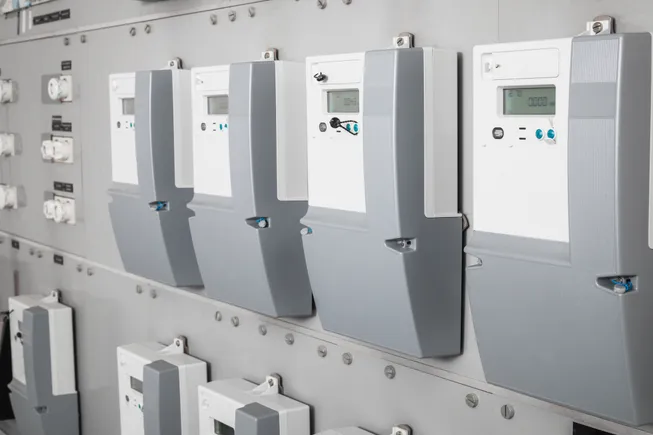
A while back, the term “smart grid” was primarily linked to automated meters. Remember when utilities used to send out meter readers to every home and business? Today, over 80% of utility meters in North America are now smart and provide utilities with quicker, more precise data on energy usage. This digital shift allows utilities to maximize the benefits of that data.
Back in 2014, the electric grid was only starting to explore advanced monitoring technologies for its vital systems. Today, various sensors have been deployed, improving our understanding of crucial electrical infrastructure. Increasingly accurate forecasting capabilities are employed across different aspects of energy systems, from how much power is generated to predicting energy demand. Management systems, which come with a bunch of acronyms like ADMS and SCADA, are widely implemented to gather data from various energy assets. Utilities are even using drones to help with data collection—something unthinkable just a few years ago.
However, the utilization of this vast data remains limited. Predictive analytics, which can help spot potential failures or problems before they occur, are still uncommon. Many grid components are replaced based on predetermined schedules rather than real-time health evaluations. Traditionally, utilities send crews to figure out problem locations, and customers still receive bills based on a flat rate each month. It’s essential to deepen our networks of meters and sensors to allow for better automated control of the grid and data-driven investment decisions. Now is the time to turn data into useful actions.
Digital Grid but Not Fully Embraced
Data storage and processing have progressed too. Not long ago, many grid operators shied away from using cloud technologies. Now, they’re capitalizing on the scalability and expertise that major cloud services offer.
However, we have only started tapping into automated analyses for grid optimization. The capacity of many grid systems is underutilized, and where limits do exist, digital tools aren’t yet employed to enhance immediate solutions or to simplify costly infrastructure expansions.
There’s significant discourse around the advantages of AI in grid management—streamlining complex processes like regulatory compliance and interconnections holds great promise. Although fully replicating the grid in a digital space is daunting, doing so could be extremely beneficial, especially considering the costly impacts of natural disasters on our grid.
Energy Generation Has Evolved, But Challenges Remain
In recent years, the generation of energy has transformed significantly. For instance, renewable energy sources (excluding hydropower) only held 8.3% of the total energy generation in 2014 but are nearing 15.7% by the end of 2023. Energy storage is also gaining momentum, with a dramatic increase in capacity seen since 2014, particularly in states like California and Texas. Coal’s role in electricity generation has sharply declined, while natural gas has gained prominence.
Meanwhile, consumers are adopting new energy technologies at home. Millions of smart devices have been sold, and rooftop solar installations are becoming increasingly common. The market for battery electric and plug-in hybrid vehicles has expanded greatly, with substantial growth since 2014.
Despite these advances, most of our electricity still comes from centralized sources. Distributed assets and demand-side programs need much more development. Building an adaptable two-way grid that can effectively manage both supply and demand is vital.
Security of the Grid Remains Crucial
In 2014, concerns around cybersecurity were already highlighted, especially as digital attacks grew more common in various sectors. As the grid modernizes, maintaining its security against diverse threats is critical. The rise in both physical and cyber attacks on power systems has been troubling.
Growing Demand Requires Attention
An unexpected change in this decade is the renewed increase in energy demand. After a period of stagnant growth, upcoming trends like domestic manufacturing, transportation electrification, and AI reliance are expected to significantly increase power consumption. Thus, investing in the grid is essential to meet this demand.
The Goals Remain the Same
Over the past ten years, the electric grid has seen substantial upgrades. Most meters are now automated, allowing for improved monitoring and forecasting. Energy markets are growing, and technical standards are emerging to facilitate the integration of various resources. However, despite these improvements, residential energy prices in the U.S. have surged, and the duration of power outages has also increased.
As we deal with aging infrastructure, climate-related challenges, and escalating power demand, achieving affordability and reliability in our electric grid remains absolutely essential. The grid underpins our economy and society, and ensuring its effectiveness will free up resources for individuals and businesses alike. It’s a responsibility that all power suppliers must remain mindful of.