

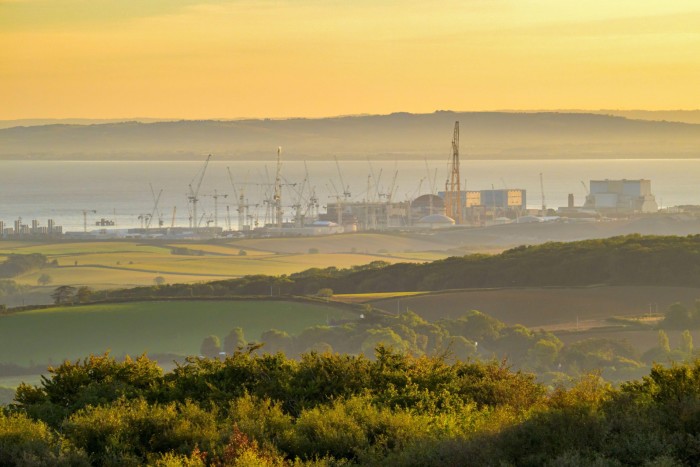
EDF Energy is facing pressure from environmental advocates to keep its planned underwater loudspeakers aimed at deterring fish in the Bristol Channel. This push comes as the company deals with ongoing delays in the construction of its Hinkley Point C nuclear power station in Somerset.
Known as the “fish disco,” this acoustic deterrent system is a part of the broader conversation in the UK about how to achieve growth while also protecting the environment. Mark Lloyd, the chief executive of The Rivers Trust, emphasized that the company should adhere to its promise to implement this deterrent to support its power station project.
The calls for the acoustic system come amid concerns that disagreements about fish protection could further delay the already long-overdue power plant, which has seen significant cost overruns and setbacks.
The project involves the installation of 288 underwater speakers that would emit noise louder than a jumbo jet for six decades. This sound is intended to keep fish away from the plant’s cooling systems.
Previously, EDF committed to using this acoustic deterrent but is now reconsidering, citing safety concerns for divers who would maintain the speakers. Instead, the company is proposing alternative measures like creating salt marshes for fish habitat.
Lloyd argues that without the deterrent, local fish populations could face serious decline, affecting marine biodiversity in the South West and the Irish Sea. However, EDF counters this concern by pointing out that regulators estimate only about 44 tonnes of fish per year would be impacted without the deterrent—a figure they equate to the annual catch of a small fishing vessel.
The UK government is keen to streamline environmental requirements for developers to boost growth and reduce construction delays. For instance, Chancellor Rachel Reeves indicated a willingness to ease regulations related to environmental concerns, such as protections for bats and newts.
Despite the controversies, EDF remains committed to minimizing any remaining impacts on fish from its 3.2-gigawatt Hinkley Point C project, complementing existing wildlife protection measures. Initially, the acoustic deterrent was planned to prevent between 18 and 46 tonnes of fish from being drawn into the cooling systems.
The company also applied to the Environment Agency to forgo the acoustic deterrent, arguing that its effectiveness is uncertain and maintenance might pose risks to divers; however, this request was denied. EDF is now looking to adjust its planning permission, prioritizing the UK’s demand for low-carbon electricity while proposing alternative ecological measures.