

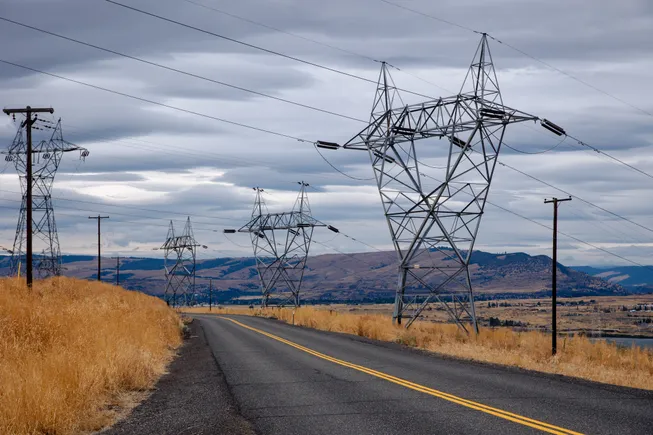
The demand for electricity in the United States is set to increase by 2% each year over the next 25 years. This growth is expected to be particularly influenced by the rise of data centers and the electrification of buildings and transportation, according to the head of the National Electrical Manufacturers Association (NEMA).
During an event hosted by Axios, CEO Debra Phillips announced that NEMA will unveil a new study on this topic soon. She stated, “Our forecast is in the moderate range.” By 2050, this trend will amount to a 50% increase in electricity demand compared to today, largely driven by data centers that are projected to see a 300% surge in demand within the next decade. Other factors contributing to this growth include the electrification of buildings, industrial systems, and electric mobility.
Phillips emphasized the unprecedented nature of this growth, noting, “We haven’t seen growth like this in a very long time — for decades — so we need policy solutions.” She pointed out the role of energy incentives in the Inflation Reduction Act (IRA) in discussions about how tax cuts can be funded.
Phillips remarked on the positive impact of the IRA, stating, “From our point of view, the IRA has done a lot to bring manufacturing back home.” She noted that the industry has reduced its reliance on imports from China by approximately 20%, partly due to initiatives from the IRA. She also expressed hope for potential expansions of certain incentives, particularly those related to the manufacturing of distribution transformers.
This week, the U.S. House passed a budget resolution that includes $1.5 trillion in spending cuts and about $4.5 trillion in tax cuts over the next decade. Senator Tina Smith highlighted that clean energy provisions in the IRA are expected to reach around one trillion dollars over ten years. Smith warned that as lawmakers seek funding for tax breaks, they may target these clean energy investments, and she stressed the importance of defending them.
Furthermore, the House bill proposes $880 billion in cuts from the House Energy and Commerce Committee. Representative Bob Latta, a member of that committee, suggested that the energy sector may not face as many cuts as anticipated, due to the Biden administration’s previous funding efforts.