

Malaysia’s environment minister has stated that global tech firms should be prepared to pay more for energy and water to support their data centers. As the demand for artificial intelligence infrastructure grows, these resources are becoming increasingly strained.
The nation has become a key location for data centers, which support technologies like artificial intelligence, cloud computing, and cryptocurrency mining. Over the past year, investments exceeding $16 billion have flowed in from major tech players such as Amazon, Nvidia, Google, Microsoft, and ByteDance, primarily targeting data center development in Johor, a state that borders Singapore.
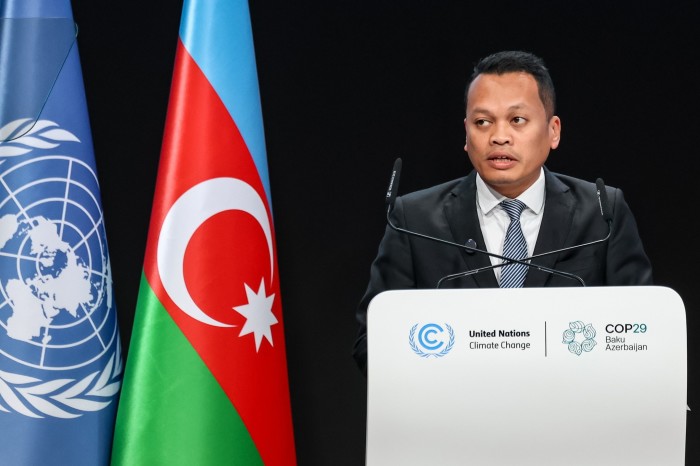
However, data centers demand significant amounts of energy and water to prevent overheating, leading to rising concerns among environmental advocates and local officials. Nik Nazmi Nik Ahmad, Malaysia’s minister of natural resources and environmental sustainability, indicated that the government is now being more selective about the types of data centers it allows, especially as the recent growth has increased pressure on local resources.
Nazmi emphasized that while they welcome advanced tech facilities, the priority will be for those leveraging cutting-edge technologies. He remarked, “Data is the new oil of the 21st century, so we want to be part of that.”
Johor has particularly become a hotspot for data centers, mainly due to its affordable land, labor, and proximity to Singapore. Nazmi mentioned that he anticipates data centers will need to pay extra for essential water and energy supplies, but many would be willing to do so to operate in Malaysia.
In a significant move, Malaysia allows data center operators starting in 2024 to source energy directly from renewable energy producers instead of relying on the grid. This shift is expected to bolster the nation’s renewable energy agenda, as tech companies prioritize access to reliable green power.
Nazmi noted that because data centers are ready to invest more, they can innovate in renewable energy and water recycling in ways other industries may not be able to due to cost constraints.
Currently, there are 22 operational data centers in Johor with an additional eight being constructed. Malaysia reported over 30 projects in various planning stages in Johor, with more announcements expected soon.
According to Bryan Tan, a technology law partner, Johor has a vast potential for data centers and could accommodate around 40 facilities. The state aims to double its energy capacity to 2.7 gigawatts by 2027, which would support up to 90 data centers, provided clean energy generation increases.
In response to global energy consumption concerns, large technology companies are increasingly securing power directly from suppliers or developing their own renewable energy sources, including wind, solar, and nuclear.
Malaysia has set a goal of achieving 70 percent renewable energy capacity by 2050, up from the current 25 percent, with plans to explore options such as solar and pumped hydro storage. The government has also adjusted water tariffs and is reassessing energy subsidies to ensure large corporations pay fair prices for resources.