

This year, I have two main hopes: one is for planning reforms that make it easier to upgrade the energy efficiency of homes across the UK, and the other is to add another solar panel to my roof without needing extra permission.
These wishes felt achievable when Labour came to power last summer, promising a “green” energy transformation and the building of 1.5 million new homes. However, with time passing, I find myself feeling a bit uncertain.
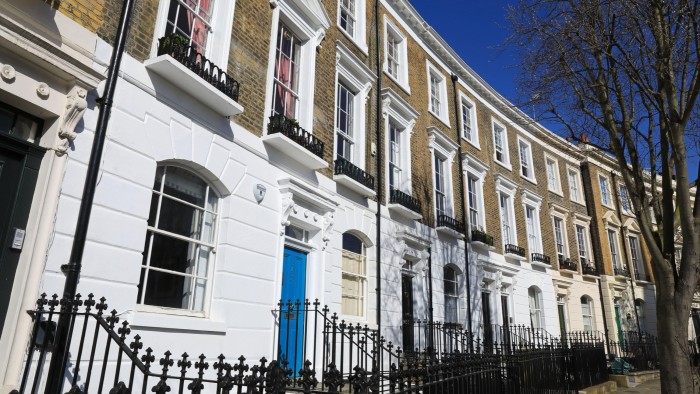
The main issue seems to be the complicated planning permission process. This complexity is largely due to a desire to protect the architectural charm of the country’s many Georgian and Victorian buildings, which are often classified as listed or located in conservation areas.
For the past two and a half years, I have been actively campaigning in my neighborhood of Islington, north London, to make it easier to install solar panels, insulation, and heat pumps in these protected homes. After gathering 2,000 signatures in support, our local council has promised to reduce restrictions by spring 2024. After several delays, a draft document outlining the necessary changes is expected by January 6.
While I wait for news on my solar panel application, I can’t help but feel envious of those living in the Royal Borough of Kensington and Chelsea. Their local council has successfully implemented existing powers to grant local listed building consent orders, which clarify the conditions under which residents can receive approval for solar panels and other similar installations.
However, we cannot rely solely on local efforts. Officials from four councils, including Islington and Kensington & Chelsea, met this summer to propose that a central online database be created, detailing what residents can do to their homes. Such a resource would help ensure that local councils can keep their regulations up to date with evolving technologies.
Currently, councils are facing challenges like high staff turnover and limited budgets, leading them to create their own rules in the absence of clear national guidelines. This often results in hiring temporary consultants for crucial tasks, but once their contracts end, the knowledge often leaves with them.
Moreover, planning officers have too much leeway in interpreting existing rules, which can complicate the process for residents looking to make their homes more eco-friendly. This situation is hindering essential changes as buildings are responsible for about 25% of the UK’s greenhouse gas emissions. To meet the legally binding target of net zero emissions by 2050, it’s crucial to address this issue.
Upgrading homes with solar panels, insulation, and heat pumps would not only help achieve these targets but also boost demand for green jobs and skills in the sector.
Government intervention is key. Chris Stark, an expert in climate change, is leading the energy security and net zero department’s mission to create a sustainable energy supply, while Deputy Prime Minister Angela Rayner is working to eliminate barriers to new home construction. Yet, there is no comprehensive strategy for retrofitting existing homes.
Rayner’s updated “national planning policy framework” aims to expedite house building, but it does not emphasize sustainability in the retrofitting of historic buildings. Establishing a cohesive national strategy for retrofitting would need determination and political support. Ian Morrison, who leads policy and evidence at Historic England, believes that this is where government help becomes vital, stating that when challenges arise, public sector intervention is essential as the market alone won’t resolve these issues.