

Key Updates:
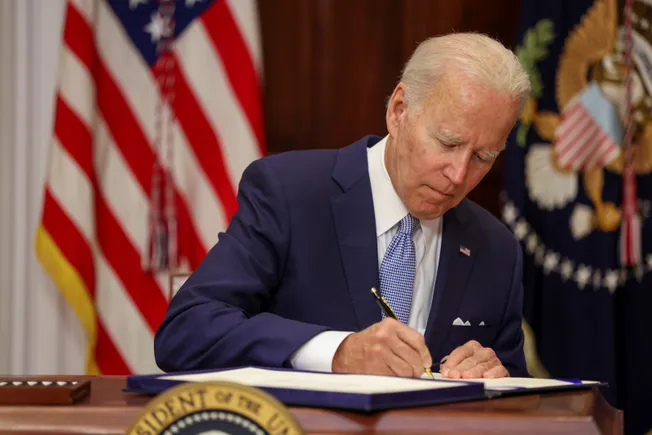
The United States is setting a new goal to reduce greenhouse gas emissions by 61% to 66% by the year 2035, based on 2005 levels, as announced by President Biden. This goal is an update from the previous target established in 2021, which aimed for a 50% to 52% reduction by 2030.
This new target was unveiled as part of a series of climate-focused announcements during the closing days of Biden’s presidency. In addition, the administration has been working on finalizing loans to support the energy transition, approving new energy efficiency standards, and permitting California to impose stricter pollution limits on vehicles.
However, President-elect Donald Trump has expressed intentions to overturn many of the climate initiatives introduced during Biden’s term, including potentially withdrawing the U.S. from the Paris Agreement again. Experts believe that this could hinder the new emission reduction goals, but they also suggest that it can still serve as an important guideline for future administrations.
Remarks on the New Goals:
The U.S. is formally submitting this new target to the United Nations Climate Change secretariat as part of its commitment under the Paris Agreement, but its endurance is uncertain. It took three years for Trump to exit the Paris Agreement during his initial term, but he could potentially expedite the process this time.
Despite these uncertainties, some experts view Biden’s actions positively. They argue that this target provides a clear direction for U.S. climate policies moving forward, which could influence priorities even after Trump’s anticipated presidency.
The 2035 goal is described as reflecting what science suggests is necessary, while still being achievable. The Biden administration aims for a pathway toward net-zero greenhouse gas emissions across the economy by 2050. The target includes an anticipated reduction of methane emissions by at least 35% by 2035, as reducing methane is one of the quickest ways to tackle immediate warming issues.
Amanda Leland, from the Environmental Defense Fund, called the new climate goal realistic and highlights the ongoing clean energy boom and its associated job and economic benefits. However, the Union of Concerned Scientists warns that current U.S. policies are insufficient to meet the previous emissions reduction targets, emphasizing the need for ongoing efforts from leaders and policymakers, particularly in light of Trump’s potential to dismantle existing clean energy frameworks.