

European gas prices surged to their highest point in a year on Thursday after the Austrian company OMV raised concerns about possible disruptions to gas supplies from Russia.
In early trading in Amsterdam, futures for the European TTF benchmark increased by up to 5% to reach €46 per megawatt hour before settling a bit lower.
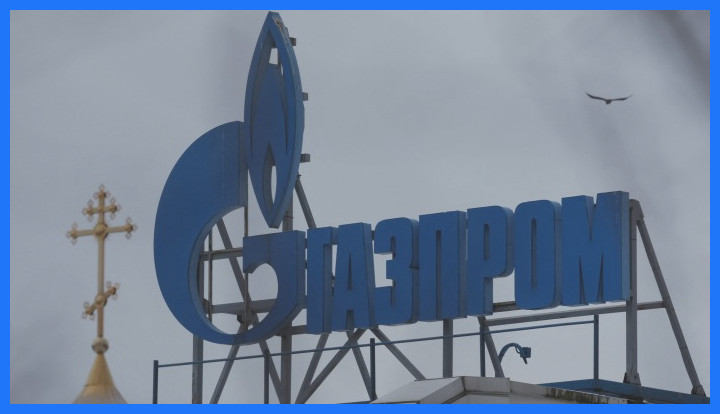
This jump in price followed OMV’s warning on Wednesday about a “potential halt of gas supply” from Russia, coinciding with the company receiving €230 million from an arbitration decision against Gazprom.
OMV had previously reported “irregular” gas deliveries from Gazprom to Germany, which ceased altogether in September 2022.
The company indicated that it would deduct the arbitration amount from upcoming invoices owed to Gazprom, but cautioned that this step might strain their contractual relationship.
Since 2021, when Russia began reducing gas supplies to Europe leading up to the invasion of Ukraine, the European gas market has become increasingly sensitive to any supply disruptions. Events that threaten global gas supplies have historically caused significant price spikes across Europe.
Currently, Austria and Slovakia continue to receive Russian gas via Ukraine due to a transit agreement still in effect, but this will expire at the end of the year. This route is one of the last two pathways for Russian gas into Europe and accounts for about 5% of the EU’s annual gas imports.
Analysts have warned that if Gazprom decides to cut off supplies in response to OMV’s actions, the volumes transported through the Ukraine route could nearly be halved, with clarity expected within a week.
Tom Marzec-Manser, head of gas analytics at ICIS, highlighted that payments for supplies are typically made on the 20th of each month. He noted that OMV might withhold its next payment of around €213 million, which could prompt Gazprom to terminate the contract immediately.
This warning comes as colder weather approaches, leading to an increase in gas demand for heating. Data from Gas Infrastructure Europe shows that the EU has recorded net gas withdrawals for ten straight days.
OMV stated it can still meet its energy delivery commitments since it has diversified its gas sources beyond Russian supplies. Austria’s Energy Minister, Leonore Gewessler, assured on social media that OMV’s actions do not immediately threaten the country’s energy supply, but warned that any sudden disruptions could create instability in gas markets.
Meanwhile, Slovakia’s largest energy provider, SPP, announced on Wednesday that it signed a “short-term, pilot contract for the supply of natural gas” with Socar, Azerbaijan’s state oil and gas company, anticipating the expiration of the Ukraine transit agreement.
SPP emphasized its support for maintaining gas transport through Ukraine, citing cost-effectiveness for customers but acknowledged the high risk of supply issues through the eastern branch, prompting it to take precautionary measures to ensure a stable gas supply.