

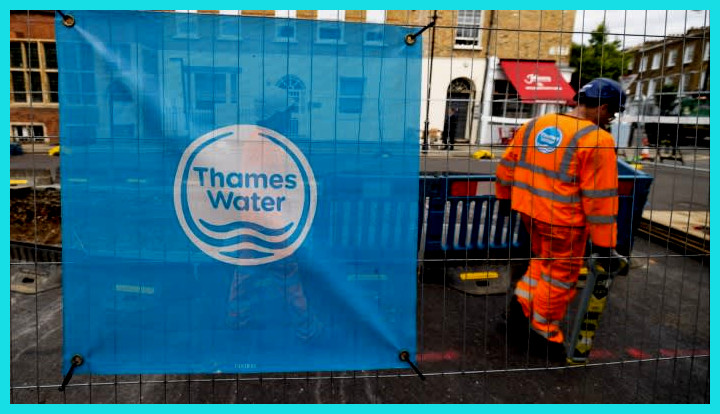
In a turbulent saga of financial uncertainty, the beleaguered UK water utility, Thames Water, has found itself ensnared in a web of complexities as it attempts to raise significant capital. Despite the gravity of its situation, details crucial for potential investors remain elusive, hampering their ability to submit proposals before an imminent deadline.
Serving a staggering 16 million households across England, Thames Water teeters on the precipice of crisis—a looming cash shortfall exacerbated by the specter of December bankruptcy. Its existing investors, formidable entities such as sovereign wealth funds from Abu Dhabi and China, alongside British and Canadian pension funds, have become reticent, resolutely refusing further equity injections.
The company’s financial discourse has pointedly highlighted an urgent need: a minimum of £750 million by early next year, escalating to over £3 billion by the close of 2030. These funds are paramount—not only for operational continuity but also for the urgent overhaul of its aging infrastructure.
Currently, Rothschild navigates the intricate waters of this equity-raising initiative. An initial enticement pitch, which found its way into the hands of selective investors back in July, hinted at a crucial timeline, urging interested parties to present their proposals by “late October.” This appeal emerged amidst expectations for a formal solicitation process poised to kick off post-summer.
Yet, as several potential investors assert, a critical piece of the puzzle—detailed financial information that would allow for comprehensive due diligence and insight into Thames Water’s financial health—remains conspicuously absent. Without this transparency, the pathway to informed investment seems blurred.
Rothschild has opted for silence in the face of these inquiries, though a source familiar with the proceedings suggested that developments are following the anticipated course. Thames Water, too, has chosen to abstain from commentary, leaving stakeholders in a fog of speculation.
As the UK’s largest privatized water entity grapples with an eye-watering £19 billion debt burden, the threat of renationalisation looms ominously. Further complicating matters is the precarious stance of its financial backers; while banks have tentatively agreed to roll over £410 million of impending debt, a more pressing need for additional extensions arises before the year’s close.
The 16-page investment pitch disseminated by Rothschild touts the virtues of the “UK’s mature transparent regulatory framework” and asserts that shareholders stand to gain from “cash flow stability” and protections against inflation. It underscores the significance of serving a burgeoning and affluent demographic, emphasizing the indispensable nature and monopolistic status of its services.
However, critical voices among potential investors are emerging, clamoring for a deeper glimpse into the company’s financial realities. One investor remarked on the necessity for "complete transparency" in an attempt to navigate the murky waters, while another bluntly criticized the initial document for its failure to address the stark possibility of insolvency or the underlying financial distress.
In the meantime, Thames Water’s creditors—numbering a daunting 90—are diligently crafting a separate restructuring strategy aimed at steering the entity clear of governmental intervention into special administration. This creditor group, privy to the company’s financial intricacies, is actively engaging in discussions with the regulator Ofwat to enhance Thames Water’s attractiveness to potential investors.
In these discussions lies a complexity intertwined with looming regulatory decisions, as any potential equity infusion or restructuring will be inextricably linked to Ofwat’s forthcoming ruling on permissible rate hikes and mandated infrastructural investments in the next five years—an announcement awaited with bated breath in December. The clock is ticking, and the stakes have never been higher.