

Oil prices erupted, reaching their zenith in over a month this past Thursday, as traders eagerly speculated about the possibility of Israel launching retaliatory attacks on Iran’s oil sector. A volatile cocktail of geopolitical tension and market speculation drove Brent crude to surge by more than 5%, culminating in a settlement at $77.62 per barrel—a momentum that did not cease, as it climbed a further 1.6% to $78.85 by Friday’s close.
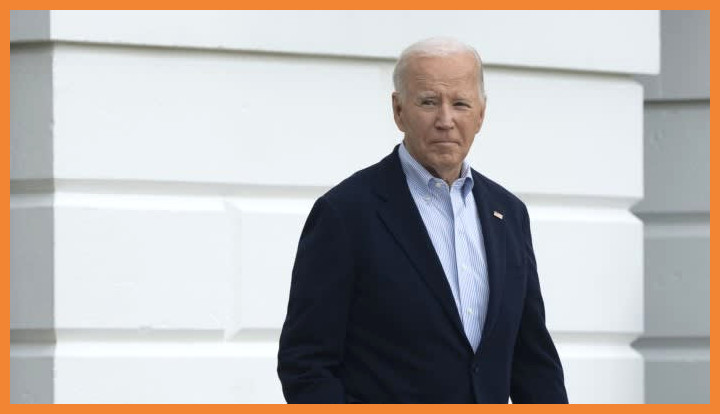
This inflation in oil prices was catalyzed by comments from U.S. President Joe Biden, who hinted at such military considerations in light of a missile attack from Iran upon Israel just days prior. When pressed on the U.S. stance regarding potential Israeli strikes on Iranian oil facilities, Biden’s response was cryptic yet revealing: “We’re in discussion of that,” though his abruptly cut-off musings left room for interpretation.
As the backdrop of rising tensions unfolded, senior U.S. officials engaged in a flurry of discussions with top Israeli counterparts, laboring to shape Israel’s response and avert a broader conflagration throughout the region. Observers within the U.S. administration conveyed a measured optimism, suggesting that Israel’s impending retaliation might be calibrated just enough to sidestep further hostilities across the already-volatile Middle East.
In a joint statement, leaders from the G7 urged both Israel and Iran to navigate the perilous waters of conflict with restraint, voicing their anxiety that a cycle of violent reprisals could spiral uncontrollably: “A dangerous cycle of attacks and retaliation risks fueling uncontrollable escalation in the Middle East, which is in no one’s interest,” they cautioned. The leaders implored all regional powers to act with responsibility and engage in constructive dialogue to defuse the simmering tensions.
Within the intricate web of diplomatic interactions, U.S. and Israeli officials mulled the prospect of targeted strikes against both military assets and energy infrastructures. Notably, the U.S. administration signaled it would refrain from active involvement in any such strikes. Nevertheless, a troubling sentiment echoed among U.S. allies: a growing worry that Washington was losing its sway over Netanyahu’s government. “It’s depressing to see how little influence we have on these events… It injects some pessimism, some fatalism into our discussions,” lamented a senior European diplomat.
On Thursday, Biden unequivocally asserted that the U.S. did not possess a veto on Israeli actions, reinforcing that no immediate Israeli military response was anticipated that day. “We don’t ‘allow’ Israel. We advise Israel. And there’s nothing going to happen today,” he declared, countering the rising nervousness regarding a potential expansion of the conflict. This unease intensified as Israel commenced military operations in Lebanon after a sustained bombardment, all while it continued to wage its ongoing conflict in Gaza.
The recent barrage from Tehran—nearly 200 ballistic missiles launched at Israel in retaliation for strikes attributed to Iran-backed Hizbollah—prompted Israel to vow a resolute response. True to its word, Israel unleashed a series of air strikes on Beirut, tragically claiming the lives of at least nine individuals at a Hizbollah-affiliated medical facility.
Amid all this turmoil, the U.S. has professed its aim to broker a ceasefire both with Hamas regarding Gaza and with Lebanon, but those efforts have met significant obstacles. Even Kurt Campbell, the deputy U.S. secretary of state, admitted to “moments of surprise” in U.S-Israeli relations, acknowledging ongoing efforts to maintain open channels of communication and mutual understanding.
Compounding the turmoil, West Texas Intermediate (WTI), the benchmark for U.S. oil, mirrored Brent’s trajectory, soaring by 5.2% to settle at $73.71 on Thursday, eventually nudging up to $74.84 on Friday.
Iran, a key player in the global oil narrative, exports roughly 1.6 to 1.8 million barrels daily, with a significant chunk—around 1.5 million—destined for China alone. As tensions grip the market, Amrita Sen from Energy Aspects weighed in, predicting that oil prices could “spiral higher” should Israel target Iranian refineries, prompting retaliatory assaults on critical regional infrastructures by Tehran.
The global oil market quaked under the pressures of this escalating turmoil, with fears of disruptions wreaking havoc on energy exports. Yet, the weight of subdued demand from China and the robust spare capacity held by OPEC+ producers—over 5 million barrels per day—cast a shadow over the market’s trajectory, tempering concerns of a dramatic price surge.
As developments continue to unfold, the world watches, breath bated, for the next ripple in this intricate geopolitical dance.