

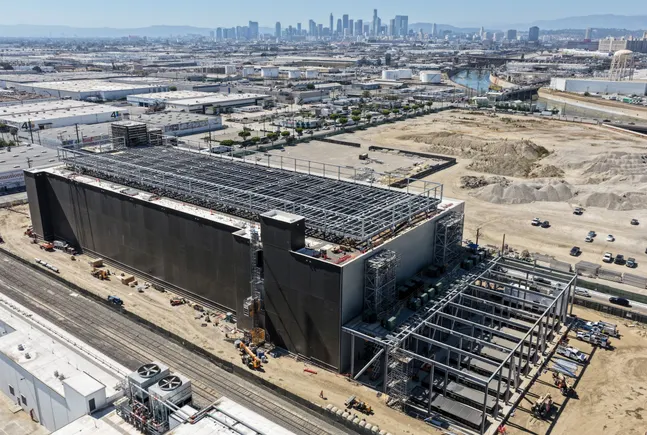
One of the biggest challenges facing data centers today is the delay in connecting to the power grid. Many data centers are completed but unable to start up because they lack a reliable power connection. The industry is facing lengthy interconnection studies that can take months or even years, locking up significant investments and resources.
The crux of the issue isn’t the construction of data centers; that part moves quickly. Instead, the speed of obtaining power connections creates a bottleneck that affects operations and efficiency.
There are three main problems contributing to the delay in obtaining these vital connections. Firstly, the timeline for interconnection is outdated and not designed for the large power demands of modern data centers, which can be equivalent to the energy needs of a small city.
Secondly, the processes for connecting to the grid vary widely between regions and companies, causing inconsistent experiences. There is no national standard, leading to unpredictability in planning and budgeting for these projects.
Lastly, data centers often face blame when electricity rates go up, as they are seen as significant contributors to growing energy demands. This perception can lead to political pushback and regulatory challenges.
Recently, the Federal Energy Regulatory Commission (FERC) took steps to address these issues. They issued orders to major grid operators to ensure a clearer and more consistent process for connecting large energy loads, which includes data centers. This is an initial move toward creating a more organized and predictable structure for these connections.
The orders include a push for better transparency about costs and a more defined process for large loads. The hope is that this will help align timelines across regions and reduce the financial burden on current utility customers.
For data center operators and developers, FERC’s recent actions signify a new opportunity. There is a strong emphasis on flexibility and co-location of energy resources. This means data centers should be proactive, showing how they can assist with energy needs, rather than just seeking firm connections.
Ultimately, the aim is to turn more completed buildings into operational data centers. By embracing flexible energy solutions and communicating their capacity for energy load reduction, data center operators can better align with these new regulations and expedite their paths to power.
The clock is ticking, not just for the grid operators but for data centers as well. Now is the time for them to act swiftly to capitalize on these changes.