

Summary:
- This month, two U.S. auto manufacturers are enhancing the role of electric vehicles (EVs) in supporting the power grid and aiding electric companies in managing peak energy demands.
- On Tuesday, Rivian joined forces with ChargeScape, a platform that integrates vehicles with the grid to facilitate managed charging across the U.S. Earlier, General Motors announced a firmware update to its GM Energy vehicle-to-home systems, enabling full vehicle-to-grid (V2G) capability without needing hardware changes. GM also revealed a partnership with DTE Energy in Michigan and plans with Pacific Gas & Electric.
- With over 7 million EVs on American roads and expectations for rapid fleet expansion in the next four years, utility companies are recognizing the importance of managed and bidirectional charging to enhance load management.
Insight:
Launched in 2023, ChargeScape is supported by major companies like BMW, Ford, Honda, and Nissan, and is utilized by automakers like Tesla and Stellantis. This platform fosters various utility-led charging programs, including passive managed charging that encourages off-peak vehicle charging and active managed charging that adjusts energy usage based on grid demands.
Bidirectional charging allows energy to be sent back from EV batteries to homes or the grid when conditions call for it. For instance, ChargeScape and Puget Sound Energy are testing Ford and Kia vehicles in Washington to see how they can help during peak demand times.
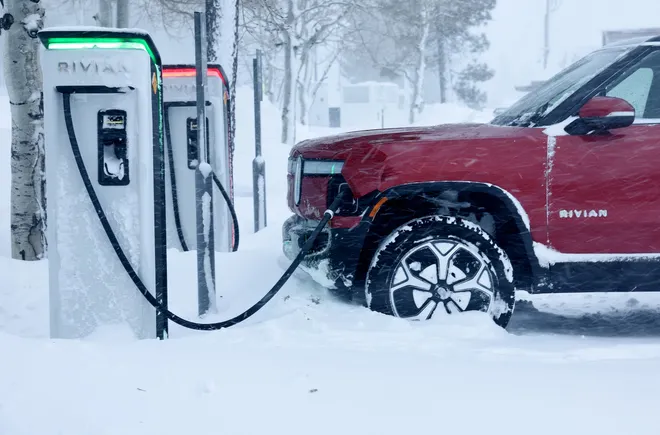
Rivian, which exclusively sells all-electric vehicles, is now the seventh automaker to join ChargeScape. Rivian owners have the option to take part in the bidirectional charging initiatives offered by their utilities.
According to ChargeScape’s CEO, Joseph Vellone, having more automakers on the platform benefits the entire industry. ChargeScape currently accommodates about 70% of light-duty EVs on the road and aims for complete coverage.
With Rivian’s participation and the ongoing pilot in Washington, Rivian drivers can potentially save several hundred dollars a year by simply charging at home.
Washington provides a solid example of a market where high EV adoption prompts utilities to evaluate the risks of unmanaged charging on grid assets versus the opportunity for EV fleets to act as flexible resources to help reduce overall system costs.
This prospective benefit is particularly engaging for utilities like PG&E in California, which is leading the country in EV adoption. GM has plans for 130,000 vehicles in Northern California by 2030 and aims for about 40% to engage in grid-balancing activities.
In partnership with DTE, GM intends to leverage its employees’ homes to enhance the performance of its vehicles’ bidirectional charging abilities. This initiative aims to ensure backup energy capacity is designed with user needs in mind, as explained by GM’s Wade Sheffer.
Sheffer also highlighted the necessity for collaboration among utility leaders, regulators, and automakers to inform customers about the advantages of supporting the grid with EVs and to promote time-of-use pricing that eases operating costs while also alleviating grid stress.
He emphasized the importance of streamlining bidirectional charging processes, enabling consumers to easily purchase and use a bidirectional charger to participate in the local energy market.