

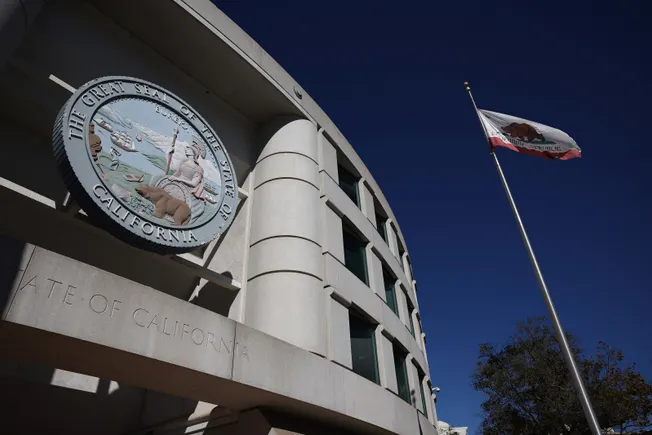
The California Public Utility Commission (CPUC) has made a significant decision, unanimously voting to require state load-serving entities (LSEs) to secure an additional 6 gigawatts (GW) of power from 2029 to 2032. This move aims to address an expected shortfall in reliability caused by increasing demand for electricity.
According to the directives from the CPUC, new resources must be either zero-emitting or meet the criteria outlined in the renewables portfolio standard program. Furthermore, LSEs are urged to explore viable projects that can still qualify for federal tax credits or other incentives.
The plan sets a target of 2 GW to be operational by 2030, with the same amount expected to follow in both 2031 and 2032. Each LSE’s responsibility for procurement is based on its share of the electric system’s peak demand for this year, with load forecasts considered.
For example, Pacific Gas and Electric will need to obtain an additional 1,077 megawatts (MW) by 2032, while a smaller utility, Pico Rivera Innovative Municipal Energy, is required to procure only 6 MW.
Before the vote, CPUC Commissioner Darcie Houck emphasized the importance of scrutinizing procurement amounts closely, expressing concerns that excess procurement could unnecessarily raise costs for ratepayers. She commended her colleagues for their careful analysis in reaching this decision.
This resolution also communicates a base case electricity portfolio, focused on reliability and policy, to the California Independent System Operator for review in its upcoming Transmission Planning Process for 2026-2027.
Outgoing CPUC President Alice Reynolds explained that the procurement order aims to provide a balanced approach to uncertainty while meeting identified needs. It also offers LSEs various pathways to comply with the new requirements.
This meeting marked the last for President Reynolds, who is set to join the California Independent System Operator Board of Governors. Commissioner John Reynolds will take her place at the helm of the CPUC.
President Reynolds mentioned that while the commission does not expect LSEs to procure resources at any cost, they should be prepared to demonstrate good faith efforts, particularly if they encounter high, non-competitive, or unreasonable pricing.
Additionally, the order provides flexibility regarding what resources can count toward the 6 GW, allowing for future changes in eligibility criteria related to resource adequacy to be applied to this procurement order.