

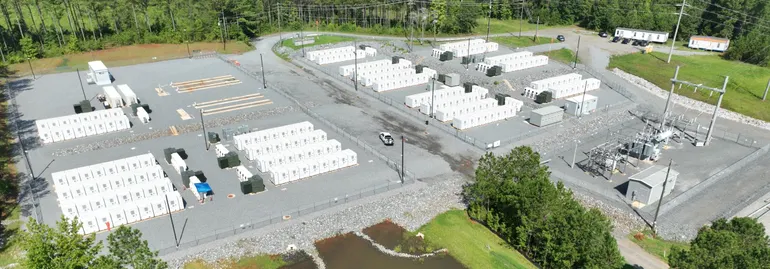
Utility-scale battery energy storage systems are facing increased risks from cyber threats linked to both nation-states and criminal groups. This situation highlights the urgent need to secure vital industries against any potential disruptions, as noted in a recent white paper from Brattle Group and Dragos.
As demand for data centers and power continues to grow, battery energy storage systems (BESS) are projected to expand by 20% to 45% over the next five years. However, as these systems become more essential, they also attract the attention of malicious actors seeking to disrupt vital services, particularly those relating to utilities and international competition in AI and clean energy.
Experts emphasize that the urgent need for these systems is outpacing the existing capacity to manage them safely. There are calls for improved measures to ensure they can withstand hacking attempts or prolonged outages.
Phil Tonkin, the Chief Technology Officer at Dragos, shared, “Battery storage systems are critical for integrating variable energy sources like solar and wind into the power grid. This reliance makes them appealing targets for cyber-attacks.”
For instance, a single outage affecting a 100 megawatt system for four hours could result in losses of up to $1.2 million in revenue. In a larger scenario, an outage impacting 100,000 customers could lead to economic damages of about $39 million.
Currently, Dragos monitors around 18 groups known to threaten the electrical grid, some of which have previously targeted utilities or displayed potential to disrupt them.
Threats are also posed by groups like Volt Typhoon, also tracked as Voltzyte, which aim to distract the public in the U.S. during potential military actions in the Asia-Pacific region.
Some cybercriminals have developed malware that targets industrial control systems, while groups like Volt Typhoon use sophisticated techniques to conceal their actions within existing systems, known as “living off the land.”
Concerns about these threats were previously discussed during a panel by the Clean Energy States Alliance.