

In its recent earnings report for the third quarter, First Solar revealed several challenges it faces regarding solar panel components made overseas. These hurdles include potential new tariffs on imported polysilicon components, possible retroactive duties on imports from June 2022 to June 2024, and upcoming guidance from the Treasury Department related to domestic content in clean energy equipment.
CEO Mark Widmar emphasized that First Solar’s domestic supply chain positions the company well amid these trade tensions. He stated, “While trade and policy developments have introduced new challenges, we continue to provide our customers with reliable pricing and delivery.”
In a follow-up call with investors, Widmar elaborated that the company’s manufacturing strategy, which integrates production and supply chains in the U.S., enhances its market value.
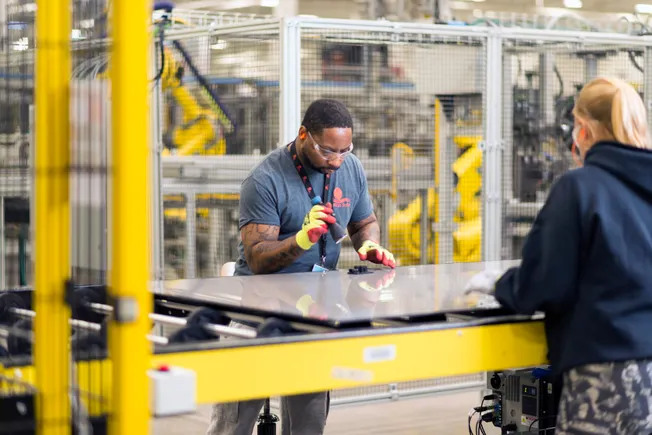
As for production, First Solar generated 3.6 GW of solar equipment in the last quarter, with 2.5 GW produced domestically. The company’s new facility in Louisiana began operations in August, and they plan to announce additional production lines soon. Widmar mentioned a positive outlook for U.S. investments as the company diversifies production away from heavily taxed regions in Southeast Asia.
The company is also pursuing legal action against Lightsource BP, a subsidiary of BP, after it terminated a significant supply agreement. First Solar claims the contract was worth $61 million and is seeking an additional $324 million in damages.
Despite recent challenges, First Solar reported robust bookings, with 54.5 GW of net orders projected through 2030. Analysts suggest caution regarding potential cancellations, reflecting growing hesitancy in the corporate energy transition. However, First Solar’s stock saw a 13% boost, reaching a 52-week high, indicating investor confidence in the company’s future.