

The PJM Interconnection board has given the green light to new transmission projects worth $5.9 billion, aimed at enhancing the reliability of the electricity grid across 13 states in the mid-Atlantic and Midwest regions, including the District of Columbia. With this approval, the total cost for PJM’s latest Regional Transmission Expansion Plan will reach approximately $6.7 billion.
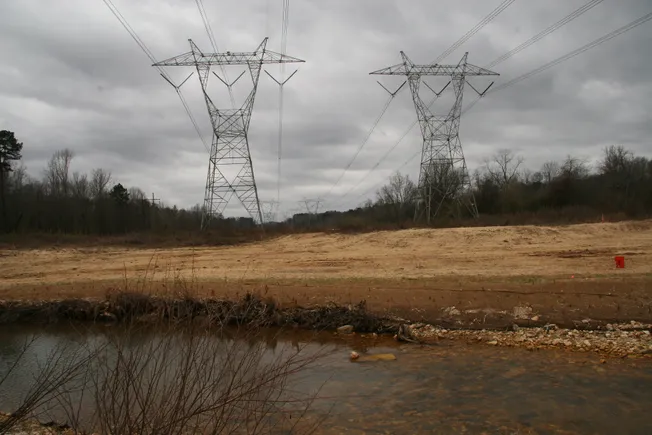
This plan includes a significant proposal to construct a 765-kV transmission backbone across multiple states, which is backed by American Electric Power (AEP), Dominion Energy Virginia, and FirstEnergy. This portion of the project is estimated to cost around $4.6 billion and will support the transfer of power from west to east.
Key elements of the plan involve building a 260-mile 765-kV transmission line extending from Putnam County, West Virginia, to Frederick County, Maryland. Additionally, it outlines a 155-mile 765-kV line connecting Campbell County and Fauquier County in Virginia.
AEP anticipates that its share of the project costs, handled through its Transource subsidiary, will amount to $1.1 billion. Furthermore, PJM has allocated around $600 million for projects that AEP’s utilities will develop in Indiana, Ohio, and Virginia.
The PJM operator stated that these initiatives are crucial for addressing the urgent need to strengthen regional power transfers and improve grid reliability, particularly as electricity demand grows.
On a related note, the board also reassessed and increased the cost estimate to $1.5 billion for transmission upgrades necessary for Talen Energy’s coal-fired Brandon Shores power plant retirement in Maryland, a significant jump from a previous estimate of $739 million. The primary construction efforts are expected to be undertaken by Exelon’s subsidiaries, including Baltimore Gas and Electric, PECO Energy, and Potomac Edison.
The rising costs in the electrical infrastructure sector can be attributed to increased expenses for equipment, adjustments necessary due to detailed engineering, and a more complex contracting landscape. PJM highlighted that while growth in demand driven by data centers and the electrification of vehicles is pushing these projects forward, challenges such as supply chain disruptions and higher material costs continue to impact the pace and execution of transmission developments.
Permitting delays are cited as a leading cause of hold-ups in transmission projects, with the International Energy Agency noting that securing materials such as cables and transformers is also becoming increasingly difficult.
Overall, this new transmission plan represents a significant step towards ensuring a reliable and efficient energy grid, adapting to the evolving demands and challenges within the industry.