

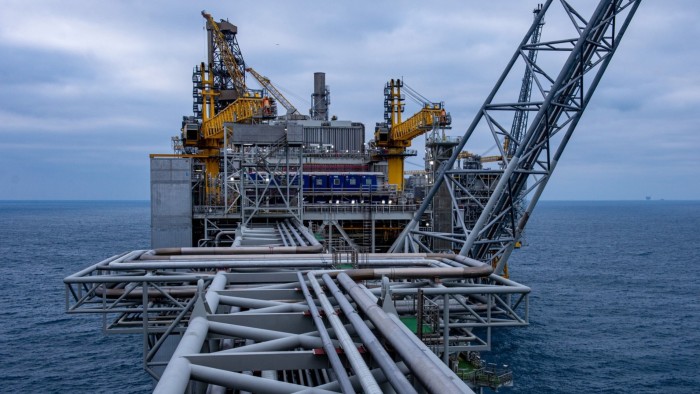
Equinor, the Norwegian energy firm that used to carry “oil” in its name, is changing direction again by focusing more on fossil fuels. This decision comes as the company looks to boost returns for its shareholders.
Recently, Equinor announced that it plans to ramp up the production of fossil fuels and significantly cut its investments in renewable energy. Chief Executive Anders Opedal stated that the goal is to create long-lasting value for shareholders.
Under these new plans, Equinor aims to produce 2.2 million barrels of oil equivalent per day by the year 2030, which is 10% more than what was projected before. The company’s target for renewable energy capacity has also been reduced, now set between 10 to 12 gigawatts, down from the earlier goal of 12 to 16 gigawatts. Over the period from 2025 to 2027, investments in renewables and low-carbon technologies will be slashed to $5 billion, halving the previous amount.
“We are well-positioned for growth and to deliver good returns to shareholders,” Opedal remarked while sharing the company’s 2024 results. He added that they expect to see stronger cash flow, thanks to improvements in their investment strategies and cost management.
Despite this pivot toward fossil fuels, Opedal reassured that the company’s broader goal remains unchanged, as they still aim for net-zero emissions by 2050. He emphasized that Equinor would continue efforts to reduce emissions from its operations while aiming to establish a profitable business in both renewable and low-carbon solutions. “By adapting to market conditions and opportunities, we will create shareholder value for many years to come,” he expressed.
Equinor’s strategy follows a trend seen among other major energy companies. For instance, Shell and BP have eased their ambitions to move away from fossil fuels under pressure from shareholders seeking strong profits from oil and gas. Analysts predict that BP may reduce or abandon its renewable energy targets soon.
Moreover, major energy trader Vitol stated that global oil demand is expected to remain strong until at least 2040. Recently, Equinor also revealed plans to acquire a nearly 10% stake in Ørsted, a leading offshore wind developer, which could help it meet its renewable goals without incurring high costs.
In other developments, TotalEnergies’ CEO stated that pursuing offshore wind projects in the U.S. may not be feasible for the next four years due to regulatory challenges. Total has paused projects in New York and New Jersey but plans to revisit them later. Even so, Total aims to continue investing in renewables that depend on state backing, rather than federal support.
Overall, Equinor’s decision marks a notable shift back toward fossil fuel investments amidst a rapidly changing energy landscape, one where balancing shareholder interests with sustainability goals remains a complex challenge.