

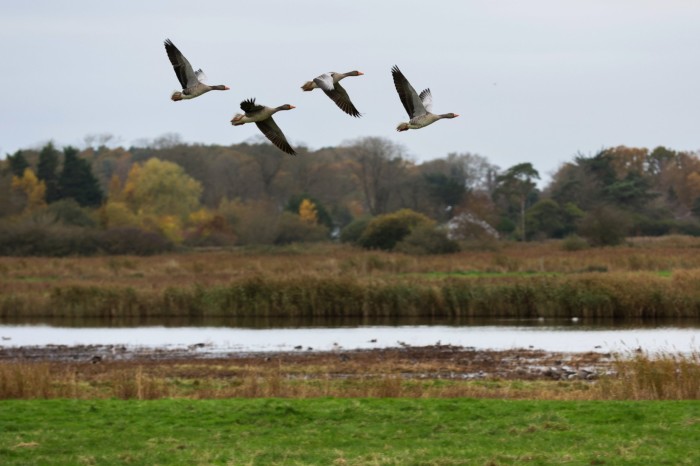
In the charming coastal town of Aldeburgh, Suffolk, conservationist Adam Rowlands walks through the pebbly beach area, sharing insights about the rich wildlife that inhabits the nearby wetlands. Rowlands, who leads efforts for the Royal Society for the Protection of Birds, highlights wildlife sightings, including rare white-fronted geese and numerous waterfowl like pintails and wigeons. He notes that in the breeding season, lapwings and redshank can often be seen, while nightjars and nightingales thrive further inland.
As he stands by a captivating steel sculpture of a scallop, Rowlands points towards Thorpeness, a nearby seaside village, and the controversial Sizewell B nuclear power site. Unfortunately, this beautiful stretch of coastline, cherished by wildlife enthusiasts, faces a future overrun by new power infrastructure aimed at propelling Britain’s shift towards renewable energy.
Scottish Power plans to land cables from two massive new wind farms off the coast, while the National Grid has proposed a substantial offshore electricity link stretching 138 kilometers from Suffolk to Kent, known as Sea Link. Another link called LionLink is set to connect Suffolk with the Netherlands, transitioning both regions to manage energy demands efficiently.
However, the plans have sparked outrage among locals, culminating in a protest of over 400 people in September. The RSPB has raised alarms, particularly regarding the Sea Link project. Concerns revolve around the potential for tunneling under wetlands, which could disturb bird habitats in a region where such wildlife is already vulnerable.
“We recognize the importance of achieving net zero and the transition to renewable energy,” Rowlands explains, “But there are better alternatives that can avoid harming this essential habitat. It feels we are addressing climate change at the expense of biodiversity, which could be managed with more thoughtful planning.”
This challenge mirrors the national discourse in the UK, where wind farms along the coast play a vital role in the government’s green initiatives, including ambitious targets to decarbonize electricity by 2030. Prime Minister Sir Keir Starmer actively rallies for a transformed energy landscape, aiming to eliminate bureaucratic barriers that impede renewable investments.
His robust stance, however, is clashing with the growing opposition from local communities voicing concerns over the environmental impact of such projects. The outcome of this conflict may profoundly affect Labour’s support as they pursue their vision of a greener UK economy, a strategy that is drawing attention worldwide.
Local opposition is growing, with the Suffolk Energy Action Solutions (SEAS) group rallying support from residents such as Andrew Heald, who runs Fishers Gin distillery. “This could devastate our local economy,” Heald expresses. “Our community relies on nature, which is in direct conflict with these infrastructure initiatives.”
Additionally, there are significant concerns regarding the construction of new substations near the medieval village of Friston, which is set to bear the brunt of the energy project’s disruption. Landowner Robert Nichol, an arable farmer, points out the massive impact these projects would have on his livelihood, noting that Scottish Power has plans to acquire a large portion of his farmland via compulsory purchase, leaving him apprehensive about the viability of his farming operations.
In the shadows of such ambitious projects lies a historical landscape that has been repeatedly disrupted by electric pylons since the mid-20th century. Now, as the nation transitions to green energy, fresh developments threaten to alter rural vistas once celebrated by artists like Gainsborough and Constable.
The present government’s commitment to enhance offshore wind capacity and build out an updated electricity grid is significant. They aim to connect renewable generation sites to consumers through significant investments in infrastructure, including thousands of miles of power lines and undersea cables.
Local advocates, while supportive of offshore wind farms, believe that energy generated should be transmitted via shared cable lines located further offshore. They argue that existing plans overlook the environmental impacts on the rural landscape and local economies.
As tensions mount between the communities and government plans, many locals express frustration over how these endeavors seem to overlook the voices of the people they affect. The situation remains fluid, and residents like Fiona Gilmore of SEAS worry that without substantial changes, the societal and environmental costs could be high, both in terms of local biodiversity and the economic fabric of their community.
National Grid assures that they will minimize the impact of construction on wildlife and local life, yet doubts linger about whether these promises will truly safeguard the region’s ecological integrity. The ongoing discussions highlight the delicate balance between renewable energy development and the preservation of vital natural habitats, a challenge that is increasingly pivotal for local communities and policymakers alike.
As the UK inches closer to its environmental goals, the question remains: how will the government reconcile the urgent need to act on climate change with the equally pressing need to safeguard biodiversity, community well-being, and landscapes cherished for generations?