

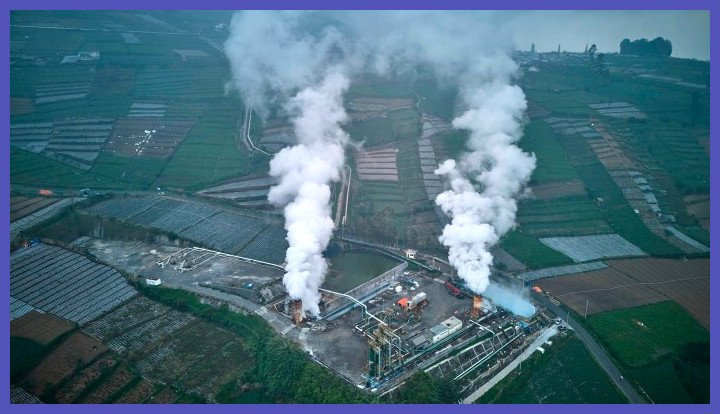
According to a report released by the International Energy Agency (IEA), innovative techniques from the oil and gas industry could soon make geothermal energy a viable renewable energy source across much of the globe. The IEA suggests that the cost of producing geothermal energy might become competitive with that of wind and solar power within the next ten years.
Currently, geothermal energy accounts for less than 1% of the world’s energy consumption, but the IEA anticipates significant growth. With an investment of $2.8 trillion, it believes geothermal energy could potentially supply up to 8% of the global electricity needs by 2050.
Fatih Birol, the head of the IEA, emphasized the role of new technologies in meeting global electricity demands in a way that is both secure and environmentally friendly. He pointed out that the oil and gas sector’s expertise presents an important opportunity for advancing geothermal energy.
Although drilling for geothermal energy has been around for over a century, it is still only utilized in a handful of countries, primarily those with closer underground heat sources, such as the United States, Indonesia, Turkey, and Kenya.
The report describes two emerging technologies that could expand the geothermal market. One technique involves using artificial fracking methods to create conditions favorable for injecting heated water into the earth. The other involves a closed-loop system that keeps water circulating through pipes deep underground.
With proper support, the IEA predicts that costs associated with next-generation geothermal energy could drop by 80% by 2035, potentially allowing geothermal power plants to generate electricity at around $50 per megawatt-hour. This would make geothermal energy one of the most affordable sources of low-emission electricity, comparable to hydropower, nuclear energy, and bioenergy.
In the last year, major technology firms searching for sustainable energy sources for their data centers have begun investing in geothermal projects. Notably, Microsoft announced plans to collaborate with G42, a UAE-based AI company, to create a geothermal-powered data center in Kenya. Google has also signed an agreement to acquire renewable power from a Nevada-based facility developed by Fervo Energy, which integrates oil and gas drilling technology into its geothermal operations. Meanwhile, Meta is exploring geothermal options with Sage Geosystems for its data centers, with a project expected to launch in 2027.
These advancements showcase the growing interest in geothermal energy as a clean and reliable power source, opening doors for future investments and projects in the sector.