

Key Highlights:
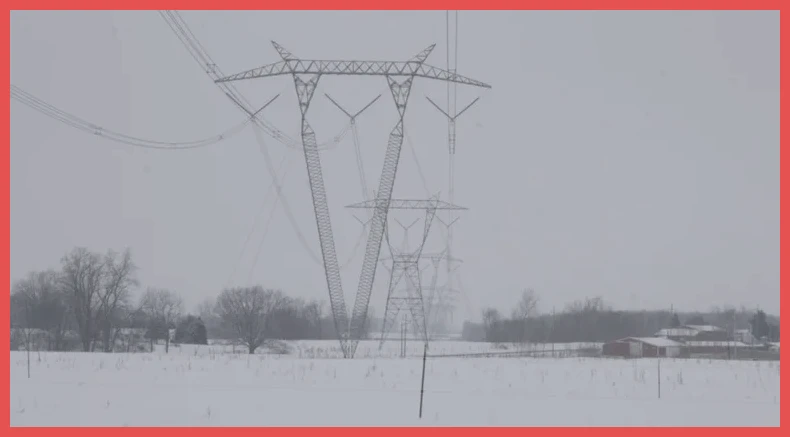
On Thursday, the board of the Midcontinent Independent System Operator (MISO) approved a substantial long-term transmission plan costing $21.9 billion. This plan is set to construct a 765-kV backbone through the Midwest region.
MISO’s director of cost allocation, Jeremiah Doner, explained that these 765-kV projects are crucial. They will not only support rising power demands but also adapt to changing generation resources and severe weather. Some of the new lines are intended to connect with the PJM Interconnection’s existing 765-kV system, enhancing reliability in the grid.
In addition to the “Tranche 2.1” projects from MISO’s 2024 Transmission Expansion Plan, the board also approved $6.7 billion for local upgrades and $1.7 billion for joint projects linking MISO and the Southwest Power Pool. Overall, MISO anticipates that this expansive plan will require around $30 billion.
Looking Ahead:
MISO estimates that the Tranche 2.1 projects could yield net benefits between $23 billion and $72 billion over 20 years. This includes cost savings from capacity, enhanced grid reliability, and progress toward decarbonization efforts.
Doner highlighted that the 765-kV lines will stretch approximately 1,800 miles, facilitating power distribution across the central Midwest. This initiative aims to alleviate congestion and tackle local power distribution challenges. Upgraded connections in the eastern region will allow for better integration into the existing 765-kV network, promoting greater generational capacity and enhanced energy transfers throughout the area.
Strengthening the ties with PJM in states like Illinois, Indiana, and Ohio will improve MISO’s regional connections, which are essential for effective power flow between neighboring systems. Doner noted the importance of building a robust regional network to facilitate future interregional collaboration.
If state regulators approve the projects, MISO expects them to begin operations between 2032 and 2034. This plan builds on MISO’s earlier $10.3 billion Tranche 1 initiative, which is currently progressing through various state approval processes.
While many Tranche 1 projects have received positive feedback from regulators in states like Minnesota and North Dakota, some uncertainty remains, particularly regarding projects in Iowa. A state law that favors existing utilities in constructing projects has been challenged due to its constitutional implications, which, according to Doner, could delay essential work.
Nevertheless, Doner emphasized that MISO’s overarching goal is to implement these transmission projects swiftly to benefit the power landscape.
As MISO continues its work on the transmission expansion, challenges remain, including an overwhelming interconnection queue and significant load growth projections driven by data centers and renewable energy needs. MISO is working on various reforms to streamline this process, with plans for a new expedited resource adequacy study to be filed for regulatory approval soon.