

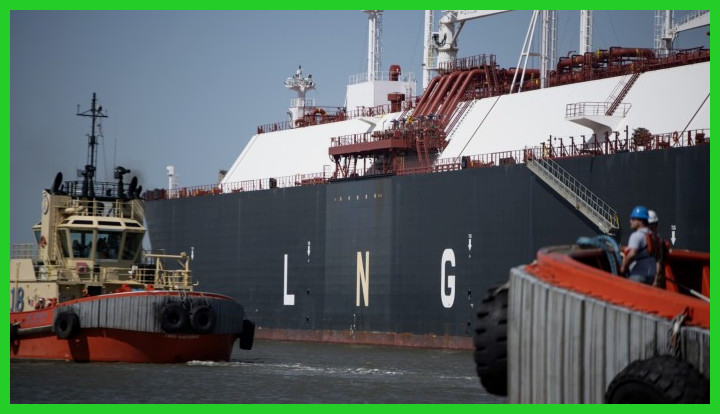
Charter rates for ships that carry liquefied natural gas (LNG) have plummeted to historic lows, causing financial strain for many shipowners. This situation arises from substantial overproduction in the wake of the energy crisis in Europe that occurred two years ago.
According to Spark Commodities, the average daily cost for renting a modern LNG carrier on a short-term basis in the Atlantic reached approximately $19,700 in November. This marks the lowest recorded rate since Spark started collecting this data in 2019. Rates have dropped almost 80% since the summer as new vessels are entering the market faster than global LNG production is growing.
Experts in shipping and trading have noted that the rates for older, less efficient ships have also seen significant declines. Specifically, LNG carriers powered by steam turbines, which are the least efficient, are suffering considerably. A broker mentioned that, after accounting for operational costs, these vessels often make little to no profit, with some even posting negative earnings.
With such low charter rates, some shipowners may struggle to cover their costs, potentially leading to a restructuring within the industry, which could include scrapping older ships. While negative charter rates for LNG carriers are not common, they were observed back in February 2022, shortly before Russia’s invasion of Ukraine, primarily due to soaring fuel costs.
This year’s decline in charter rates is primarily attributed to an influx of vessels entering the market, while LNG exports have not increased as swiftly due to delays in developing essential export facilities. Many shipowners had placed significant orders for new vessels during the European energy crisis, anticipating a surge in demand for LNG as Europe sought to replace lost Russian gas supplies.
The International Gas Union reported that around 650 LNG carriers were operational last year, with an additional 68 expected to join the fleet by the end of this year, and 88 more in 2025. Projections indicate that more than 80 carriers will be delivered annually through 2027.
However, the anticipated rise in LNG exports has failed to materialize on the expected timeline. Oystein Kalleklev, CEO of Flex LNG, pointed out that while LNG exports typically grow by 6 to 8 percent annually, this year was likely to see just a 1 percent increase. This sluggish growth has contributed to a weak freight spot market.
Additionally, Europe has not imported as much LNG this year as in prior years, thanks in part to a relatively mild winter leading to higher levels of gas storage, which reduced reliance on LNG imports. Traders have also not utilized floating storage—keeping loaded LNG vessels on the water until prices increase—nearly as much this year due to a lack of significant price differences between summer and winter, resulting in more available vessels.
Some older LNG carriers are becoming available as their long-term contracts expire, further increasing the supply of ships. While actual charter agreements at zero or negative rates have not yet occurred and remain theoretical, brokers suggest some owners of older vessels might consider such arrangements to avoid the costs associated with taking them out of service or scrapping them.
As demand for LNG is expected to rise in the coming decades, particularly from developing Asian nations transitioning from coal to gas, analysts predict that LNG freight rates will continue to remain low in the short term. With 251 new LNG carriers scheduled for delivery between 2025 and 2027, the market is bracing for a well-supplied market, as the new export capacity may only require about 171 additional vessels.
In summary, while the long-term outlook for LNG demand looks promising, the immediate future is marked by oversupply and diminished freight rates as the market adjusts to recent shifts.