

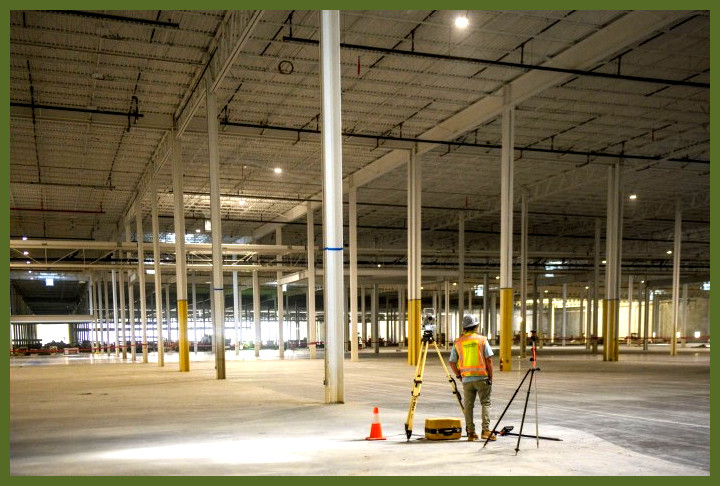
Chinese investors aiming to penetrate the US market have recently faced growing challenges. However, one segment where they have found some success is the solar energy sector. Across various states, from Texas to Ohio, solar plants financed by Chinese investments are emerging, albeit without much public attention.
Nonetheless, the future for these Chinese solar ventures in the US is starting to look less promising. The anticipated return of Donald Trump to the presidency in January raises concerns about stricter scrutiny of investments from China and potential legislative efforts to restrict access to clean energy subsidies for Chinese-owned facilities.
Antoine Vagneur-Jones, who leads the trade and supply chains division at BloombergNEF, noted, “These solar investments have often flown under the radar. There was a perceived openness to these Chinese investments due to the subsidies. Whether that will continue next year is uncertain.”
The growth of Chinese solar companies in the US stands out amidst rising political tensions surrounding various sectors, notably concerns surrounding platforms like TikTok and the sinking of IPO plans for companies like Shein.
While battery manufacturers have recently faced scrutiny, particularly in Virginia, where concerns arose about a collaboration between US automaker Ford and Chinese company CATL, the solar industry has remained relatively unaffected thus far. As reported by BloombergNEF, by August, around 21 gigawatts of solar production capacity was being developed in the US by firms backed by Chinese investors, accounting for nearly half of the predicted demand for solar energy this year.
The passage of the Inflation Reduction Act in 2022, which offered substantial subsidies for clean energy initiatives, attracted many Chinese companies to the market. Investments exceeding $100 billion have been initiated, spurred by the 45X tax credit, which incentivizes domestic manufacturing of clean energy technologies.
Prominent projects include Trina Solar’s 5GW facility in Texas, Illuminate Solar’s 5GW project in Ohio, and Jinko Solar’s expansion in Jacksonville, Florida. However, many firms did not respond to inquiries regarding their operations.
Herbert Crowther, an analyst at Eurasia Group, mentioned that larger Chinese solar manufacturers recognized the opportunities presented post-IRA. He added that the solar industry has been relatively less politicized compared to consumer-focused sectors and that some manufacturers have actively engaged with local partners and communities.
Despite these advancements, looming political changes have altered the landscape for Chinese-backed projects. Following the election, Trina Solar announced the sale of its Texas manufacturing facility to a Norwegian battery company, Freyr, for $340 million.
The deal entails Trina maintaining a stake in Freyr and leveraging its technology for manufacturing solar modules. This move reflects apprehension regarding potential future restrictions under Trump’s administration.
Several lawmakers have already proposed legislation to prevent Chinese-backed projects from receiving certain clean energy subsidies, prompting caution among investors. Jim Murphy, president of Invenergy, stated, “If the credits were to become unavailable, that would be unfortunate for customers.”
This subsidy debate is part of a broader ongoing tension between the US and China over solar energy. To date, the US government has implemented tariffs on solar imports, including products from China and its Southeast Asian operations.
As the solar industry navigates these challenges, stakeholders are left wondering how the shifting political dynamics will impact future investments and opportunities.