

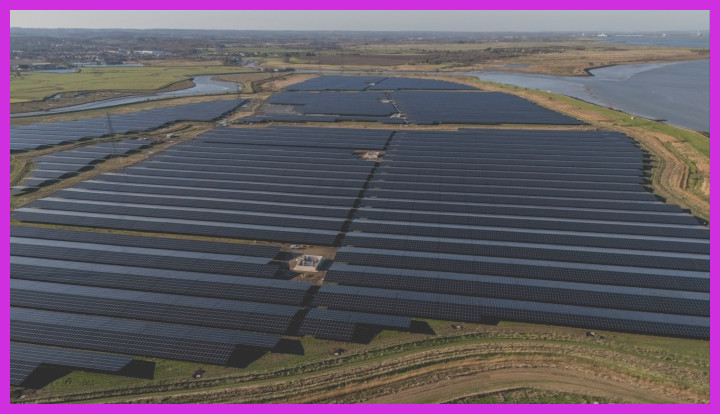
According to a new report by think-tank Ember, renewable energy sources like wind, solar, and hydropower are projected to generate more electricity in the UK this year than fossil fuels for the very first time. The report indicates that renewables will make up approximately 37% of the electricity produced, compared to 35% from fossil fuels. This significant shift marks a notable change from just a decade ago when gas and coal accounted for nearly 60% of the UK’s power generation.
Frankie Mayo, a senior analyst at Ember, highlighted this milestone as evidence of the UK’s advancements towards a lower carbon energy system, thanks in part to the closure of coal-fired plants and the expansion of renewable energy technologies. “The renewables future is here,” he stated.
The UK government’s target is to create an almost entirely clean power system by 2030; this ambitious goal demands rapid expansions in infrastructure and encourages changes in how people consume energy. In another report, Sam Hollister from LCP Delta mentioned that while achieving the 2030 deadline is feasible, it would require significant efforts from the government, industry, and investors alike.
Looking ahead, Ember forecasts that gas will account for 30.4% of electricity generation in 2024, with wind power closely following at 29.34%. Despite the slim margin, wind is on track to become the largest single power source in the UK.
Nuclear energy remains an important player, making up about 15% of the electricity mix, while Ember’s analysis shows that only 0.9% of this year’s generation will come from coal, with the rest from various other sources, including solar power at 5.3% and bioenergy making up 14.2%.
The UK officially decommissioned its last coal-fired power plant at the end of September, becoming the first G7 country to take such a step after progressively reducing coal usage through various measures, including high carbon pricing policies.
To support the surge in renewable energy, the UK government has implemented policies like contracts for difference, which offer developers stability by guaranteeing prices for electricity generated. Looking forward, the National Energy System Operator suggests that gas may still play a role, potentially supplying up to 5% of the UK’s energy needs in 2030, particularly on days when wind output is low.
Overall, the path to achieving the 2030 clean energy target will necessitate significant cooperation and innovation across various sectors.