

Texas, along with 10 other Republican-led states, has filed a lawsuit against major asset management firms BlackRock, State Street, and Vanguard. The states accuse these companies of colluding to limit coal supplies to promote what they claim is a harmful and politically driven environmental agenda.
This federal antitrust lawsuit alleges that the three largest index fund managers in the U.S. have used their investments in coal companies to restrict the supply, thereby raising prices in line with goals to achieve net-zero carbon emissions.
The lawsuit, which was submitted on Wednesday, highlights a growing conflict as Republican leaders escalate their opposition to what they deem “woke capitalism.” Texas Attorney General Ken Paxton stated that the state would not accept the alleged misuse of the financial sector to advance a damaging environmental agenda, claiming it undermines American energy production and harms consumers.
In response, BlackRock dismissed the claims, stating, “The notion that BlackRock invested in companies to harm them is unfounded and illogical.” They believe that this lawsuit threatens Texas’s business-friendly image and could deter investments in essential companies.
Vanguard and State Street did not provide immediate comments, but they previously maintained that their environment-related initiatives are aimed at fulfilling their responsibility to secure long-term shareholder returns.
The lawsuit is part of a broader three-year movement led by Republican officials who have targeted BlackRock and other investment firms for allegedly being against fossil fuel interests while pushing for stricter oversight of their investments in banks and energy companies.
The states argue that the asset managers’ participation in initiatives like Climate Action 100+ and the Net Zero Asset Managers program suggests they have collectively sought to reduce coal production across the board. Vanguard left the Net Zero Asset Managers program last year, while BlackRock’s and State Street’s U.S. counterparts withdrew from Climate Action 100+ this year, citing concerns about the legal implications of the actions taken regarding coal.
According to the lawsuit, the firms’ significant shares in major U.S. coal producers give them considerable influence over management decisions.
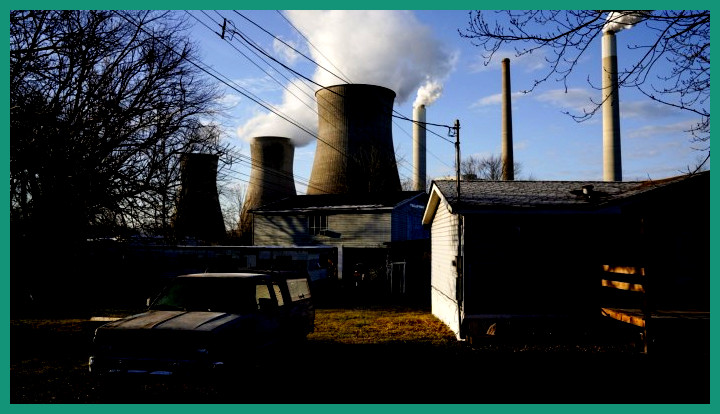
In Texas, coal-fired plants contributed roughly 13% of the state’s electricity last year. Some states involved in the lawsuit, such as Missouri, West Virginia, and Wyoming, are even more reliant on coal for their energy needs.
The lawsuit alleges that these asset managers have exploited their holdings to minimize coal production, leading to limited competition and increased energy prices for consumers while generating substantial profits.
The states reference a recent opinion from Federal Trade Commission chair Lina Khan, asserting that antitrust laws cannot be ignored simply due to the social benefits proposed by involved parties.
Interestingly, the surge in coal prices noted in recent years was primarily linked to geopolitical tensions, particularly the rise in costs following Russia’s invasion of Ukraine, although prices have since declined significantly.
This lawsuit comes at a time when a new wave of populist Republicans aims to leverage antitrust measures for their political goals, viewing it as a more subtle approach than heavier-handed regulations.
Texas, a leading U.S. economy and a significant producer of clean energy alongside oil and gas, has aggressively opposed companies over political issues, further solidifying its stance against firms like BlackRock. In March, a state-managed fund removed $8.5 billion in assets from BlackRock, accusing it of discrimination against the oil and gas sector, which BlackRock claimed prioritized short-term political gains over long-term fiduciary responsibilities.