

The nuclear industry is experiencing a renaissance, largely thanks to the surge in demand from major tech companies like Google, Amazon, Meta, and Microsoft. These firms are in a race to secure low-carbon energy for their data centers powered by artificial intelligence (AI). This year has marked a significant turn-around for nuclear power, particularly in the West, after years of stagnation.
At a recent climate event in New York, several key banks publicly showed their support for nuclear energy, promoting it as essential for achieving clean energy goals. Yann LeCun, Meta’s chief AI scientist, emphasized that data centers will likely be built close to power outputs that can provide reliable gigawatt-scale energy, especially near nuclear plants.
“There is great interest in nuclear,” Chris Rees, energy strategy manager at Meta, stated, indicating that all the major tech companies are keen on investing in nuclear energy solutions.
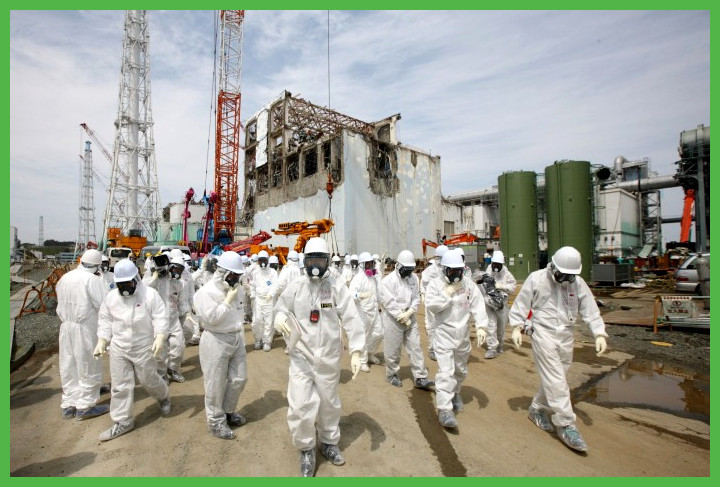
While countries like China and South Korea have been actively constructing nuclear reactors, the same cannot be said for the U.S. and Europe, where the construction of new reactors has plummeted since the late 20th century. The U.S. has only initiated three new constructions since the mid-1990s, attributed to spiraling costs and public hesitation fueled by historic nuclear accidents such as Three Mile Island, Chernobyl, and Fukushima.
Recent developments have included Microsoft’s plans to reboot the old Three Mile Island plant and Amazon’s hefty investment in a data center adjacent to the Susquehanna Steam Electric station in Pennsylvania. These moves underscore the willingness of tech companies to pay premium prices for nuclear-generated power, which could stimulate further investment in new nuclear projects.
Arthur Hyde from Segra Capital believes that there is now a combination of market conditions, government commitments, and investor interest that could lead to announcements of new nuclear capacities in the U.S. within the next year. However, significant challenges still loom over the sector, especially the risks associated with nuclear projects that often exceed budgets and deadlines.
Some industry insiders caution that while tech firms are interested, they are not eager to take ownership of nuclear facilities. Instead, they prefer to secure long-term power purchase agreements at favorable rates. Ahmet Tokpinar from Bechtel mentioned that while tech firms might step up their financial commitments, they are primarily looking to be the consumers of power, rather than investors in nuclear infrastructure.
Finding a viable solution for both tech companies and the nuclear industry will require creativity and collaboration, given the complexities involved. Speaking at an industry dinner, Caroline Golin from Google noted that tech firms couldn’t be expected to shoulder all the risks associated with these projects.
Former energy strategist Peter Freed proposed that adjustments to how Power Purchase Agreements (PPAs) are structured might be necessary to encompass potential overruns in costs.
Despite the optimism surrounding nuclear energy’s future, experts warn against over-exaggerating the potential of new projects, stressing that the timeline for nuclear development is lengthy and requires careful planning and execution. Tony Grayson from Compass Quantum highlighted the need for tech firms to consider subsidizing new nuclear plants, suggesting they could play a role similar to that of governments in past projects.
While potential exists for a stronger partnership between technology companies and the nuclear sector, it remains essential to manage expectations and navigate the intricate challenges this collaboration presents.