

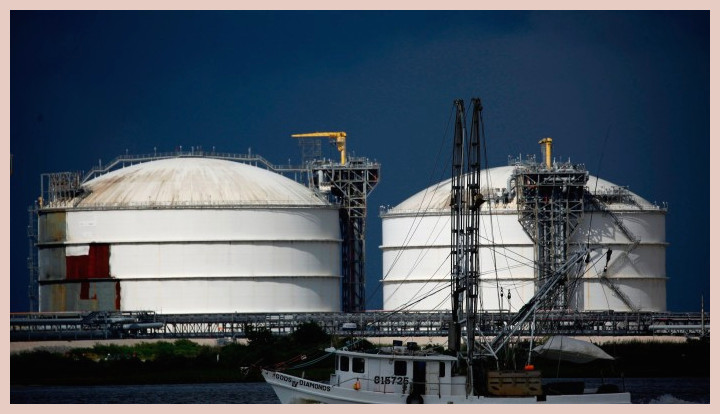
Good morning! Today, we bring you the latest from the energy sector, especially focusing on recent developments concerning liquefied natural gas (LNG).
A recent report from our colleagues in China highlights a significant trend: cheaper natural gas is motivating truckers to switch to vehicles fueled by this resource, which is impacting the country’s demand for oil. Analysts are observing that the need for diesel in China might have reached its peak sooner than anticipated. This could be concerning news for traders, as there continues to be unease regarding weak oil consumption in this major economy.
In today’s discussion, we spotlight an academic study that has stirred the political pot regarding LNG. This research played a crucial role in the Biden administration’s decision to temporarily halt exports of liquefied natural gas to countries without a free trade agreement at the start of the year. The study asserts that LNG produces more greenhouse gases than coal, raising important questions about the environmental impact of LNG exports in the United States.
The report, authored by Robert Howarth, a professor at Cornell University specializing in methane emissions, indicates that over a twenty-year period, LNG’s emissions exceed those of coal by 33%. Howarth argues that while carbon dioxide emissions from coal are higher when burned, methane emissions can counterbalance this difference significantly.
He emphasizes, “Methane is a greenhouse gas that is over 80 times more potent than carbon dioxide over a 20-year span.”
Howarth furthers his case by explaining that LNG, mainly sourced from shale gas, leads to considerable methane emissions throughout its production, liquefaction, and transportation stages. He observes, “The world is spiraling toward a climate crisis. LNG has a greater climate impact than any other fossil fuel, and we need to urgently reduce its usage.”
Since the paper’s initial draft release last year, it has ignited a fierce debate between environmental activists and the fossil fuel industry. Traditionally, proponents of LNG have touted it as a cleaner alternative to coal, aiding global decarbonization efforts. However, the study undermines this argument, contributing to the Biden administration’s decision to pause new LNG export terminal approvals. The Department of Energy is currently conducting its own assessment regarding the environmental and economic implications of the US LNG market, which recently overtook Qatar to become the largest LNG exporter globally this year.
Critics from the oil and gas sector claim Howarth’s findings are flawed, arguing that they lack a balanced perspective. They express frustration that this study significantly influenced policy changes that were previously seen as bipartisan.
Howarth counters that his research underwent rigorous peer review, ensuring its credibility. “The reviewers were aware of the public interest in my work, and I took care to make my paper as high-quality as possible.”
Although some in the industry dispute Howarth’s methods, he clarifies that he relied on independent estimates for methane emissions rather than those derived from unverified industry data, which he argues are too low.
Amidst this debate, academic voices, including those from experts like Drew Shindell at Duke University, affirm that Howarth’s results are plausible and merit serious consideration, despite the observation that LNG is a relatively new fuel source and data collection has been limited.
In light of these compelling discussions, we see a growing divide over LNG that increasingly aligns along political lines, affecting the future of energy policy and its environmental implications. As the conversation evolves, one thing remains clear: the scrutiny over LNG’s climate impact is far from over.
Thank you for joining us on this exploration of energy issues today!