

Japan’s shift towards electric vehicles (EVs) has been slow, with the country’s EV market trailing significantly behind that of China. Currently, EVs make up less than 1% of all cars on the roads in Japan. However, this stagnant growth for electric vehicles doesn’t mean bad news for battery producers. In fact, the increasing popularity of solar energy offers them a new path for expansion.
This year, solar energy has emerged as Japan’s leading source of clean power. The momentum is clearly visible, with over 3 million solar systems installed in homes just last year. As this trend continues, the demand for residential batteries is also expected to rise sharply. Upcoming government regulations will further fuel this growth; for example, starting in 2025, all large construction projects for new homes must include solar panels.
Another exciting development in the energy landscape is the rise of virtual power plants, which the government is emphasizing. These plants will leverage a network of home batteries linked through a digital platform, allowing operators to sell excess energy during peak demand, which can provide additional income for participating homeowners. By fiscal 2026, there will be a dedicated market for trading electricity stored in these batteries.
Tesla is already making strides in this sector. The company initiated the construction of a virtual power plant in Japan with its Powerwall batteries back in 2021. In collaboration with Yamada Denki, Japan’s largest electronics retailer, Tesla aims to make its home battery system more accessible. Yamada Denki operates around 1,000 stores across the country that already sell residential solar systems. Tesla’s battery system is priced at approximately $13,700, which includes installation, making it competitive with local brands like Panasonic.
In Japan, power outages are rare during normal conditions; however, disasters such as earthquakes can lead to significant electrical interruptions. The Powerwall battery holds up to 13.5 kilowatt-hours of energy, which is almost enough to meet the daily consumption needs of an average household. Companies like Toshiba, Itochu, and Hitachi are also venturing into the energy storage market, recognizing its growth potential.
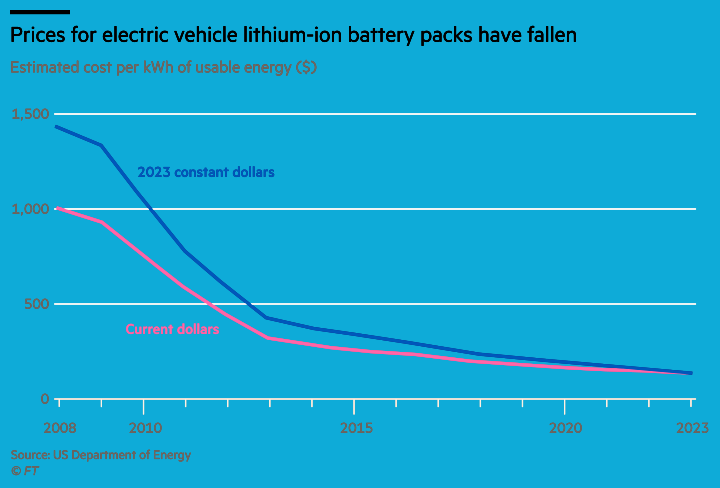
The transition to energy storage systems is on the horizon, with the global battery energy storage market expected to reach $150 billion by 2030, as per McKinsey’s estimates. As the growth of EV sales slows, battery storage is projected to play a vital role in the revenue of both electric vehicle manufacturers and battery developers.