

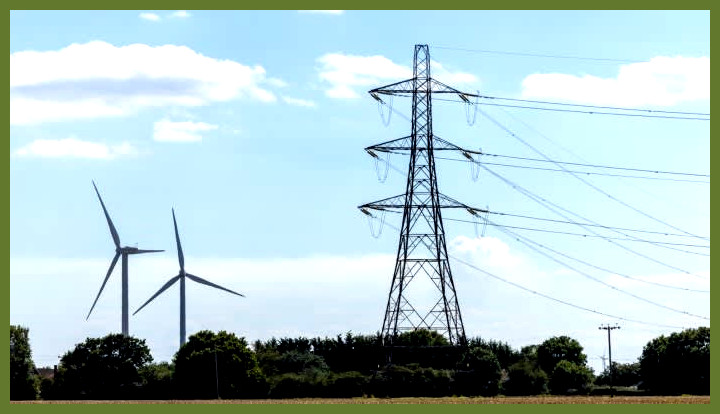
Proposals that aim to dissect Britain’s electricity market into regionally distinct price zones have ignited significant concern among the nation’s leading trade groups. Prominent organizations such as UK Steel, Make UK, RenewableUK, and the Global Infrastructure Investor Association have urgently communicated their apprehensions to government ministers, cautioning that these reforms endorsed by the Conservative administration could trigger elevated costs for manufacturers and stifle critical investments.
In a letter dispatched on Friday, which has come to light, these groups articulated a foreboding view that the initiative could, in fact, “heighten the risks of de-industrialisation.” They expressed a firm stance: “Dividing Great Britain into numerous regional pricing zones would compromise investments in low-carbon energy while imposing exorbitant electricity costs on the UK’s energy-intensive sectors.”
This warning arrives at a pivotal moment for the fledgling Labour government, keen to present an inviting front to investors in anticipation of its global investment summit scheduled for October 14. Among those receiving the letter were Ed Miliband, the energy secretary, and Jonathan Reynolds, the business secretary, underscoring the urgent need for deliberation.
The proposed reforms are part of a sweeping overhaul of the electricity market, initially proposed back in 2022, that aims to respond to the burgeoning reliance on renewable sources like the capricious wind and solar power. As Labour intensifies its commitment to renewable energy, it remains to clarify its stance on these potentially seismic market adjustments.
At present, the UK’s electricity landscape boasts a singular national wholesale price. The new proposals envision a split, where wholesale prices oscillate by region in accordance with fluctuating supply and demand dynamics.
Proponents of this regional pricing model assert that it could enhance market efficiency, ultimately keeping system costs in check by incentivizing consumers to harness electricity during periods of abundant local supply—thus curtailing the waste that often ensues. Guy Newey, chief executive of Energy Systems Catapult, passionately echoed this sentiment, emphasizing an “urgent need for reform” and pointing out that zonal pricing has become the norm in numerous international markets, successfully driving down consumer costs.
Supporters envisage a scenario where industries gravitate toward regions rich in renewable energy, like parts of Scotland, while encouraging developers to explore areas with less renewable input, as these locales could command higher prices.
However, the trade groups caution fervently against this transformation, foreseeing potential hikes in operational costs for energy-intensive industries such as steel, glass, and ceramics. They fear that the proposed changes could further complicate the precarious landscape for renewable energy developers. Frank Aaskov, director of energy and climate change policy at UK Steel, articulated a critical point: “A miles-wide steel plant simply cannot up and leave to access lower power prices elsewhere.”
He lamented the significant investments tied to these operations and the potential plight of the skilled workforce left in the lurch.
The specter of high electricity costs has been a perennial grievance for the industry, especially as it endeavors to pivot away from fossil fuels. Major players like Tata Steel and British Steel are dismantling coal-burning blast furnaces in favor of electric arc counterparts, a significant transition that underscores the pressing need for manageable energy expenses.
Jon Phillips, chief executive of the Global Infrastructure Investor Association, noted that global investors gravitate toward stable, long-term ventures that promise consistent returns. He cautioned that the introduction of zonal pricing could jeopardize the government’s aspirations to attract increased international investment: “It’s imperative that energy policy establishes the long-term stability that investors crave.”
A representative from the UK government conveyed that it is currently evaluating the feedback received during the consultation phase. They assured that any forthcoming reform options would prioritize the protection of bill payers and the facilitation of investment. “Our new industrial strategy aims to foster long-term, sustainable growth across the UK by bolstering industries and catalyzing private investment into our economy,” they concluded, hinting at a balanced approach to a potentially tumultuous energy future.