

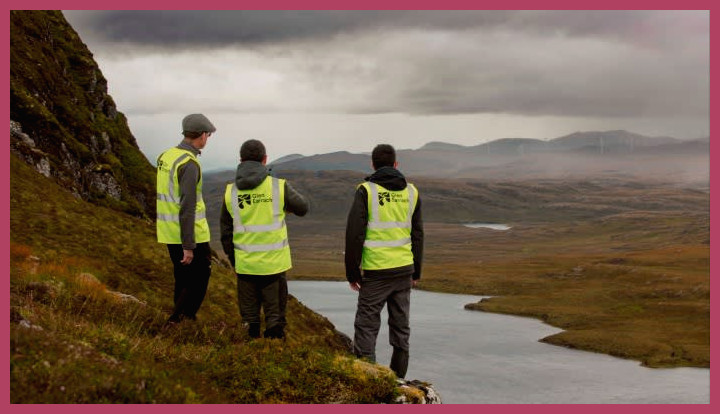
Loch nam Breac Dearga, a secluded gem nestled 475 meters above the iconic Loch Ness, beckons with the promise of innovative energy solutions amid the rugged beauty of Inverness-shire. It is here that the whispers of nature intertwine with the ambitions of a nation striving toward a net-zero future.
The Great Glen, with its striking juxtaposition of profound waters and steep hills, offers an unparalleled environment for pumping away energy quandaries through pumped storage hydropower. This groundbreaking system harnesses the very essence of water to store surplus energy, thus illuminating the path towards a sustainable energy transition. The challenge? Battling the notorious intermittency that plagues renewable sources like wind energy, which has become a cornerstone of the UK’s decarbonization efforts.
In times of plentiful wind, pumped hydro systems ascend water from lower to higher reservoirs, creating a soaring potential for energy when the need surges, deftly sending power spinning through turbines — a dance of supply and demand that keeps the nation’s lights aglow.
Glen Earrach Energy, birthed by the custodians of the Balmacaan Estate cradling Loch nam Breac Dearga, has set its sights on an audacious flagship project on the shores of Loch Ness. With a staggering capacity of 2 gigawatts, this colossal ‘water battery’ could hold the key to shrinking the national grid’s carbon footprint by 10% post-2030, all while slashing operational costs by a jaw-dropping £2 billion over two decades. The project’s impressive vertical height and size promise an efficiency that stands unrivaled in the UK, cleverly minimizing disruptions to the precious water levels of Loch Ness.
“This is how the UK becomes a green energy superpower,” asserts Roderick MacLeod, a guiding force at Glen Earrach. The UK, blessed with rich offshore wind potential, faces the crucial task of refining this energy into a reliable form, not just for domestic needs but for export as well.
Yet, as the UK sunrise dawns on its pumped storage ambitions, shadows loom, cast by a burgeoning wave of skepticism. The country’s pace lags behind emerging giants such as China and Japan, where this technology has proliferated, enhancing the stability of renewable energy generation. With an estimated explosion of pumped storage hydro capacity from 179GW to 240GW by decade’s end—according to the International Hydropower Association—the stakes have never been higher.
UK grid operators anticipate an urgent need for 7GW to 15GW of long-duration electricity storage solutions as the nation races towards its net-zero emission targets. However, the four existing facilities, aged over forty years, seem like relics of a different energy era when power was firmly in government hands.
As opulence beckons in the form of a hydro “gold rush” around Scotland’s most legendary waters, concerns rise like mist over the loch. The venerable Foyers Power Station—a 300-megawatt giant, linked to the historic Loch Mhor Dam—faces competition from ambitious projects like Statera’s proposed 600MW at Loch Kemp and Statkraft’s 450MW at Loch na Cathrach. Yet, these grand designs threaten to rattle the fragile ecosystems that cradle the loch, the gentle pulsing of juvenile salmon and delicate shoreline invertebrates caught in the crosshairs of unrelenting water fluctuations.
Brian Shaw of the Ness District Salmon Fishery Board raises a clarion call against this mad scramble: “The risks are monumental—convincing us that biodiversity will emerge unscathed seems like a pipe dream.” He lamented, “It feels like a frantic rush for access to these vital waters.”
MacLeod, with plans to break ground in early 2026, envisions a harmonious balance—grand projects that benefit the local economy while ensuring the elemental flow of Loch Ness mitigates any adverse effects. Despite a Scottish government spokesman highlighting the “important considerations” regarding community and ecological impacts, the path ahead is fraught with challenges.
The daunting reality of high upfront costs and the specter of prolonged construction wait around the corner, leaving Glen Earrach scrambling for equity funding to make their £2 billion vision come alive. But hope glimmers as industry insiders hint at a forthcoming “cap and floor” policy—ensuring a safety net of minimum revenues for generators while capping potential over-returns, potentially unlocking a torrent of investments into UK hydro projects, chiefly in Scotland and Wales, where topographical conditions are most favorable.
In the southern reaches at Loch Lochy, SSE is spearheading ground condition assessments for its ambitious 1.5GW Coire Glas project, with colossal subterranean tunnels now under development. Mike Seaton, the project director, underscores the urgency of implementing this cap and floor policy—“There’s immense interest, but without it, there will be no projects,” he cautions, echoing the sentiment that the future of energy production hinges upon innovative solutions in an evolving ecological landscape.
Indeed, as the water flows through Loch Ness, so too might the dreams of a greener, more sustainable future, but only if ambition and ecological wisdom can find common ground.