

Canada Expands LNG Ambitions
Canada is on track to significantly increase its liquefied natural gas (LNG) output. Prime Minister Mark Carney has unveiled plans to expand an existing facility and expedite approval for a new project aimed at positioning Canada as a leading energy producer worldwide.
Carney, who previously advocated for greener policies, is now shifting focus to the nation’s abundant fossil fuel resources. This move aims to lessen Canada’s dependency on U.S. markets and revitalize its economy, which has faced challenges due to tariffs imposed by the U.S. government.
Last week, Carney introduced a major initiative dubbed “nation-building projects,” centered around LNG that could involve investments of up to C$30 billion (approximately US$21.4 billion).
“Canada’s government is making bold decisions to strengthen our economy, highlighting investments and quicker approvals,” Carney stated.
With U.S. tariffs affecting trade, Ottawa is now targeting new markets in Asia and Europe to diversify its economic partnerships.
One proposed project, Ksi Lisims, aims to fast-track the development of a floating natural gas liquefaction and export facility in British Columbia. Lisa Baiton, president of the Canadian Association of Petroleum Producers, expressed optimism, stating that Canada is on track to become one of the top five LNG exporters globally, which is crucial for increasing non-U.S. exports.
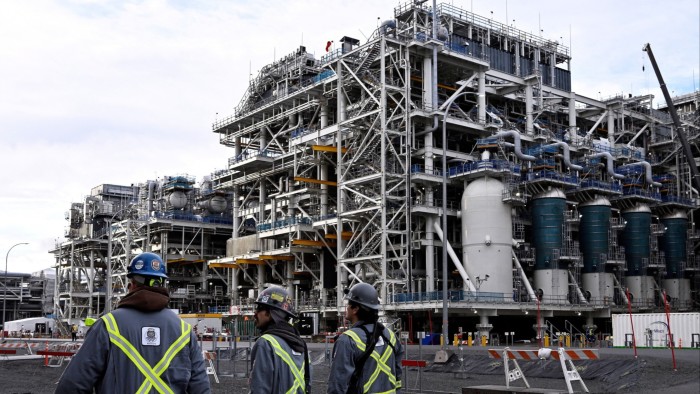
In July, LNG Canada marked a milestone by shipping its first cargo from its operational facility in Kitimat, which is expected to export around 14 million tonnes of LNG yearly. LNG Canada is a collaboration involving major companies like Shell and Petronas.
Carney’s strategy is set against a backdrop of increasing global LNG demand, particularly from Asian and European markets seeking alternatives to coal.
Despite these advancements, some Canadians are wary of expanding LNG projects amid climate concerns. Critics argue that such initiatives may expose the country to fluctuating global gas prices and environmental risks associated with fracking.
While the demand for natural gas remains strong, some analysts remind us that new supplies could lead to lower prices and increased competition. Environmental groups are calling for caution, emphasizing the need to reassess investments in fossil fuels during a critical time for climate action.
In summary, as Canada seeks to bolster its LNG exports, the discussion of economic growth versus environmental responsibility continues to unfold.