

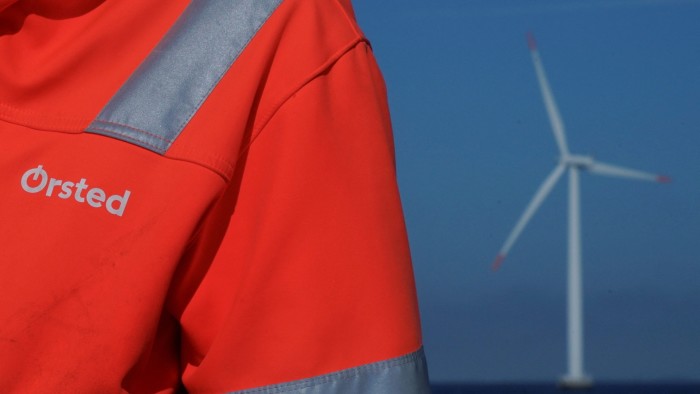
European utility companies are facing different challenges regarding their capital increases. For instance, firms like Iberdrola have been raising funds to invest in promising growth projects. In contrast, Ørsted from Denmark is seeking to gather $9.4 billion—roughly two-thirds of its market value—after a significant drop in its share price.
Despite the daunting nature of this financial move, Ørsted has few choices left but to proceed. The company initially intended to sell part of its Sunrise Wind project off the coast of New York to lessen its financial burden and secure funds for other initiatives. However, political hurdles have made this sale difficult. The Sunrise Wind project costs approximately DKr60 billion ($9.4 billion), and given that significant investments are typically made upfront, withdrawal isn’t a feasible option.
If all goes as planned, Ørsted could see a beneficial return on this fresh capital. Having a larger stake in the US project may lead to unexpected earnings when electricity production begins. However, their new earnings target for 2027, set at over DKr32 billion, is still slightly below what analysts initially expected.
Additionally, convincing investors that Ørsted will navigate these troubled waters successfully is a challenging task. The US market poses unique difficulties for renewable developers, and Ørsted’s basic business strategy faces broader obstacles. Challenges arise in bidding for projects, conducting preliminary work, and financing growth amid rising costs and fluctuating project development expenses.
Yet, the decision to pursue a rights issue has its rationale. This strategy may strengthen Ørsted’s negotiating position while trying to sell other wind project stakes. Over time, the offshore wind sector is expected to adapt to increasing development costs as government support grows. Nevertheless, Ørsted still faces a considerable amount of construction work before they can enjoy the benefits of their investments. Calm seas appear to be a distant goal.