

Britain’s energy regulator, Ofgem, has proposed a new approach to energy bills that could see households charged differently based on their income and wealth levels. This idea, described as a “progressive approach,” aims to ensure that the costs associated with transitioning to cleaner energy are distributed more equitably.
Ofgem stated, “We believe this is the right moment to reassess how the shift to a greener and more reliable energy system should be funded by consumers.” This discussion is part of a broader review initiated on Wednesday, focusing on energy system costs.
In April, Ofgem’s chief executive, Jonathan Brearley, hinted at potential reforms. He pointed out that while variable costs may decrease in the coming years, fixed costs are expected to rise. He highlighted the risk that this could worsen existing inequalities unless addressed.
The standing charge on energy bills is a fixed daily fee currently used to cover costs such as investments in gas and electricity networks. Critics have long argued that this approach is unfair, as it doesn’t account for individual household energy usage.
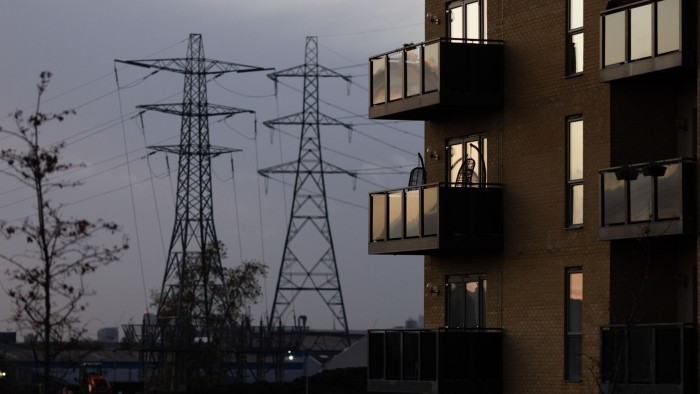
The growing need for substantial investments in infrastructure, like new pylons and cables to transmit electricity from renewable sources, has added urgency to these proposals.
Ofgem’s recent review outlines various potential reforms, including charges that may vary based on a household’s ability to pay. One suggestion is to implement an “income-based standing charge” or a “wealth-based standing charge,” potentially mirroring the structure of council tax.
There could also be options for standing charges that change according to peak electricity usage.
Despite a decline in wholesale energy prices since the energy crisis of 2021-2022, household energy bills remain a critical political issue. Bills are still significantly higher than they were before the crisis, partly due to increased network costs, while household energy debt has reached record highs.
The Labour government has pledged to reduce energy bills by £300 by 2030, although there are doubts about how they plan to achieve this. Currently, Britain’s energy price cap is nearly 10% higher than it was in July of the previous year, when Labour took office.
In addition to infrastructure investments, Ofgem is navigating changing consumer behaviors, with more households adopting solar panels and being encouraged to use time-of-use tariffs that let them buy electricity at fluctuating wholesale prices throughout the day.