

The cost of fuel used in nuclear reactors has reached an all-time high, primarily due to a surge in demand from artificial intelligence (AI) data centers. This increase in demand comes on the heels of market pressures stemming from geopolitical tensions, especially following Russia’s invasion of Ukraine.
As reported by UxC, prices for enriched uranium have skyrocketed to $190 per separative work unit, a significant jump from $56 just three years ago. This dramatic rise in prices highlights a renewed interest in nuclear energy, as governments and companies explore carbon-free energy sources capable of supporting large industrial operations and communities.
Major tech firms like Microsoft and Amazon are now considering nuclear fuel to power their energy-intensive AI data centers, as they push to gain a competitive edge in the generative AI sphere. This growing demand for energy has heightened concerns within the industry, particularly in light of the ongoing conflict in Ukraine. Russia, a key player in uranium enrichment, has faced sanctions and export bans, which have contributed to the soaring prices.
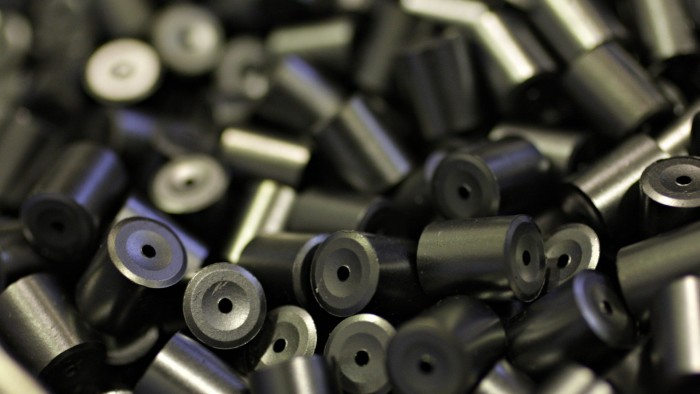
Nick Lawson, CEO of investment group Ocean Wall, expressed concerns about the western capacity for uranium conversion and enrichment, suggesting that prices may continue to climb. He noted that the expiration of a U.S. waiver for uranium importers at the end of 2027 will complicate matters further, pushing the industry to seek out new facilities capable of processing uranium into usable fuel pellets.
Currently, only a few Western countries, including the U.S., Canada, and France, have operational uranium conversion plants. While U.S. utility companies may currently have enough supplies, analysts from Berenberg warn that this availability may dwindle significantly in the coming years.
Due to the reliance on long-term contracts for uranium sales rather than spot market transactions, immediate availability may become even more limited. Kazatomprom, the world’s largest uranium producer based in Kazakhstan, has indicated that production may fall short of expectations, with more material destined for China and Russia rather than Western markets.
There are widespread concerns about a potential supply shortage in the medium term as fewer new projects are being developed to meet growing demand.