

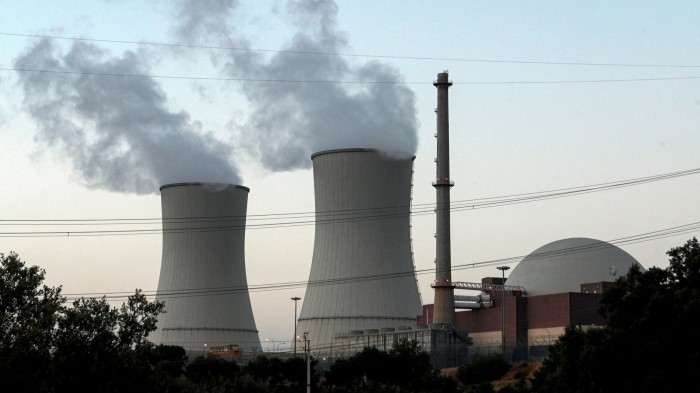
Iberdrola’s chairman has cautioned that electricity prices in Spain could rise by over 25% if the country decides to follow Germany’s example of decommissioning its nuclear power plants. Ignacio Galán expressed his concerns while discussing Spain’s plans to phase out its seven active nuclear reactors by 2035.
Galán highlighted that shutting down these reactors would result in higher electricity costs and a less reliable energy system for consumers. He emphasized the need for practicality in energy policy, noting a growing global trend favoring the continuation or even revival of nuclear energy facilities in other countries like the US, Belgium, and Germany.
According to Galán, if Spain closes its nuclear plants, retail electricity prices could increase by approximately 25% to 30%. A study by PwC projected that closing the nuclear fleet would push wholesale electricity prices up by around €37/MWh, leading to a 23% hike in bills for households and small businesses, with industrial consumers facing a 35% increase.
Many nations, including the US and Japan, are recognizing the need to extend the operational lives of their nuclear reactors to handle rising energy demands and improve energy security, given their dependency on imported fossil fuels. The International Energy Agency recently adjusted its electricity demand forecasts, noting that consumption by 2035 is expected to be 6% higher than previously estimated.
In Germany, political leaders are considering the possibility of reviving three nuclear plants closed in 2023, although former operators of these plants have expressed skepticism about the feasibility of such efforts, questioning their economic viability.
Spain stands apart as one of the few nations committed to nuclear plant closures, and the impending shutdown of the first reactor at the Almaraz plant in 2027 is causing increasing public debate. In 2019, plant owners, responding to pressure from the government, agreed to a gradual decommissioning plan, but there has been a recent call from industry leaders for reevaluation, asserting that the reactors could potentially operate longer.
Galán warned that closing the reactor fleet would impact grid reliability, predicting a rise in power shortages and blackouts. However, the Spanish government has been firm in its stance against reversing the closure plans, arguing that transitioning to renewable energy sources like wind and solar is the more economically sound choice.
Spain’s energy minister, Sara Aagesen, noted ongoing discussions with plant owners but stated there were currently no formal requests to alter the scheduled nuclear shutdowns. The Foro Nuclear lobby group has urged the government to take action by rescinding existing closure mandates for two reactors at Almaraz.
As Spain continues to lead in wind and solar energy production, the government’s aspirations include generating 81% of its electricity from renewable sources by 2030.