

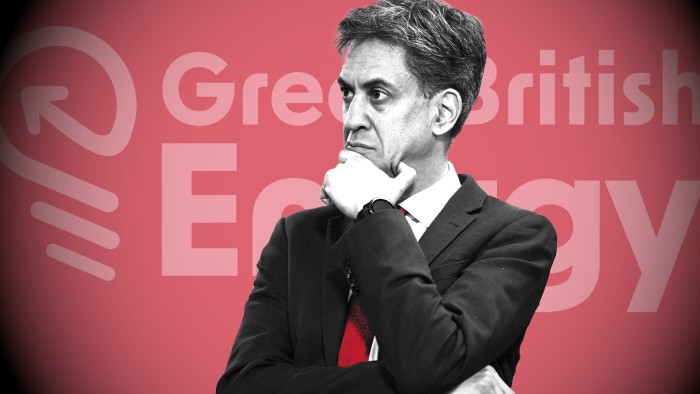
The UK Treasury is planning to reduce funding for GB Energy, as part of the upcoming spending review in June, which poses a significant challenge for Energy Secretary Ed Miliband. GB Energy was created by the Labour government to promote investment in clean energy generation and supply to aid in the decarbonization of the electricity grid.
Originally, the company was promised £8.3 billion in taxpayer funding over a five-year period; however, it has only received £100 million so far, which was allocated during the previous October’s budget for the first two years. With growing fiscal pressures and an increasing focus on defence spending, the government is reconsidering its commitment to provide the full amount to GB Energy.
One potential change being discussed is to decrease the previously designated £3.3 billion for GB Energy, which was supposed to support low-interest loans through local authorities for renewable projects, such as residential solar panels and wind farms.
The Treasury and the Department for Energy Security and Net Zero have not confirmed whether GB Energy will still receive the promised funding, which was a part of last year’s electoral manifesto. Officials are currently undertaking a thorough review of government spending priorities, leading to uncertainty about all funding commitments.
This funding ambiguity comes amidst confusion in the industry regarding the specific role GB Energy will play in implementing low-carbon initiatives in the UK, especially given the substantial private investment already flooding into offshore wind projects.
Additionally, questions remain about Chancellor Rachel Reeves fulfilling a prior commitment to allocate £13.2 billion for energy efficiency programs during this parliamentary session. This amount represents a significant increase compared to what the previous Conservative government had pledged for energy efficiency initiatives.
Some advocates express concern that the Warm Homes program, designed to finance home insulation and other energy-saving improvements, could also face budget cuts. “There is a strong concern among stakeholders that it will be significantly reduced,” remarked one advocate.
In a recent development, the National Wealth Fund, another key green initiative from the Labour government, has had its focus shifted. Chancellor Reeves declared that the fund will now also invest in the defence sector, alongside its initial goal of promoting the decarbonization of Britain’s heavy industries.
While some Labour MPs back Prime Minister Keir Starmer’s emphasis on increasing defence spending, they note the need for flexibility in government priorities during what they characterize as a crucial moment for national defense.
Miliband has faced challenges regarding support for expanding Heathrow Airport’s third runway, a project promoted by Reeves as part of a broader economic growth strategy. Although he has not indicated plans to resign over this issue, as he did in the past concerning the airport expansion, concerns remain about the potential costs of the broader Net Zero 2050 agenda and the financial burden on consumers and industries.
As pressure mounts around the “Zero Emission Vehicle Mandate,” which imposes quotas on car manufacturers for electric vehicle production, the situation becomes increasingly complex for the government.
Labour’s retreat from its ambitious green proposals is evident, as the National Wealth Fund has already been restructured from earlier, bolder commitments. The initial promise of a £7.3 billion investment has now been slashed to £5.8 billion, and broader green plans have similarly been cut back from £140 billion to just £24 billion over five years.
While the government maintains its commitment to GB Energy and its role in transforming the UK into a clean energy leader, skepticism around the actualization of these green goals continues to grow.