

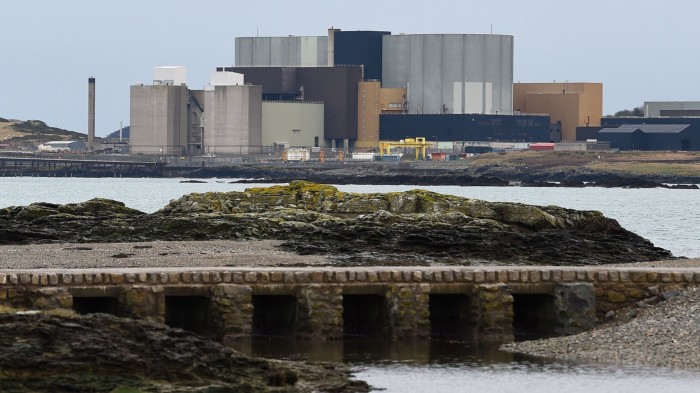
Plans for a new nuclear power station in Anglesey have been rejected by planning inspectors. They expressed concerns about how the project could affect the Welsh language and the local community. This situation highlights the challenges that large infrastructure projects face in gaining approval, according to a senior figure in the nuclear industry.
The Planning Inspectorate’s recommendation against the Wylfa site, published in February 2021, was discussed recently by an executive who noted the hurdles developers encounter. The inspectors highlighted that the influx of workers needed for the construction could strain the already limited housing supply on Anglesey, potentially driving up rents and house prices. This, in turn, could displace local residents and impact the Welsh-speaking community.
Prime Minister Sir Keir Starmer recently announced plans to reform the nuclear planning process. He indicated that complex regulations have historically delayed the development of new reactors. Starmer pointed to a case where one company had to prepare a 30,000-page environmental report to get permission as an example of excessive bureaucracy that needs to be simplified.
“There’s a lot of support for infrastructure and change, but then people oppose it once it’s proposed in their area. We need to overcome that resistance,” he commented.
The proposal for the new nuclear facility at Wylfa was put forth by Japanese company Hitachi, which withdrew from the project in September 2020 due to financial concerns. Following this, the Planning Inspectorate suggested blocking Hitachi’s bid for the £16 billion project, citing various concerns including its impact on the local economy and environment.
In 2024, the government spent £160 million to reacquire the site, but the future of the project remains uncertain. The inspectorate, responsible for major infrastructure applications in England and Wales, expressed worries about how the project could disrupt housing markets and affect Welsh culture.
In addition to community impact, concerns were raised about the project’s potential effects on local wildlife, including bird species like Arctic and Sandwich terns. In light of these factors, the inspectorate ultimately opposed the project, despite acknowledging the possible job and skill benefits for Anglesey.
Tom Greatrex, the chief executive of the Nuclear Industry Association, remarked on the frustrations surrounding the planning processes, describing it as complex and challenging for significant infrastructure initiatives.